
In this guide
A short, low-flow shower is usually cheaper than a bath. A long or high-flow shower can cost more than a modest bath. The useful question is not whether baths or showers always win. It is how much water you normally use, how that water is heated and how your household is charged.
That is good news, because you do not need a complicated calculation to make a sensible choice. Start with your everyday routine rather than a one-size-fits-all figure.
The quick answer
If you keep showers brief and the flow is modest, a shower will often use less water than a bath. If you enjoy a long shower or have a powerful flow, the total can climb until it exceeds a modestly filled bath.
It is a rule of thumb, not a promise. Your bath fill, shower length, shower flow, hot-water setup and bills all affect the final cost.
What actually uses the water?
A bath uses the water you put into it. That is the normal fill level you choose, not the amount the tub could hold to the rim. A more modest bath fill uses less water than a deeper one.
A shower uses water for every minute it is running. Two things matter together: how strong the flow is and how long you stay in. A high-flow shower used for a long time can use more water than a modest bath, even though a quick shower might use much less.
That is why broad claims such as “showers are always cheaper” are not very helpful. Compare like with like. Think about the bath you usually run and the shower you actually take, rather than an ideal version of either.
Why the way you heat water matters
There are two common ways the water may be heated. An electric shower heats incoming mains water as it passes through the unit. The controls on the shower affect the temperature and flow you get.
A bath, and many mixer showers, use hot water that has already been heated by a boiler, cylinder or heat pump. With these systems, the water may travel through pipework or be stored before you use it. That can mean some heat is lost before the water reaches the outlet.
The temperature you choose matters too. Hotter water takes more energy to provide, whichever type of system you have. This does not make one option automatically better. It explains why the same-looking routine can cost differently from one home to another.
What changes the bill?
Your energy tariff affects what it costs to heat the water. For centrally heated water, the heating system and any storage or pipework losses also play a part. For an electric shower, the unit heats water as you use it, so the shower's own controls and your routine matter.
If your home has a water meter, water use can affect more than the energy bill. Higher volumes may also increase water-supply and wastewater charges. If you are not metered, you may not see the same immediate volume-based water charge, but heating the water still costs energy.
There is no need to chase a generic price per bath or shower. Your own tariff and charging arrangement are the figures that matter if you want a closer estimate.
Compare your normal routine
Keep the comparison simple. Notice how long a usual shower lasts and whether the flow feels modest or powerful. Then think about how full you normally run the bath. This gives you a much better starting point than comparing a quick shower with an unusually full bath.
- A short, modest-flow shower is often the lower-use option.
- A long shower can become the higher-use option, especially with a strong flow.
- A modest bath can be a sensible choice when you prefer one, provided you avoid filling it more deeply than you need.
For a closer view, check your household energy bill and, if you have one, your water bill. The aim is not perfect maths. It is making the choice with your usual routine in mind.
Electric showers: keep compatibility in mind
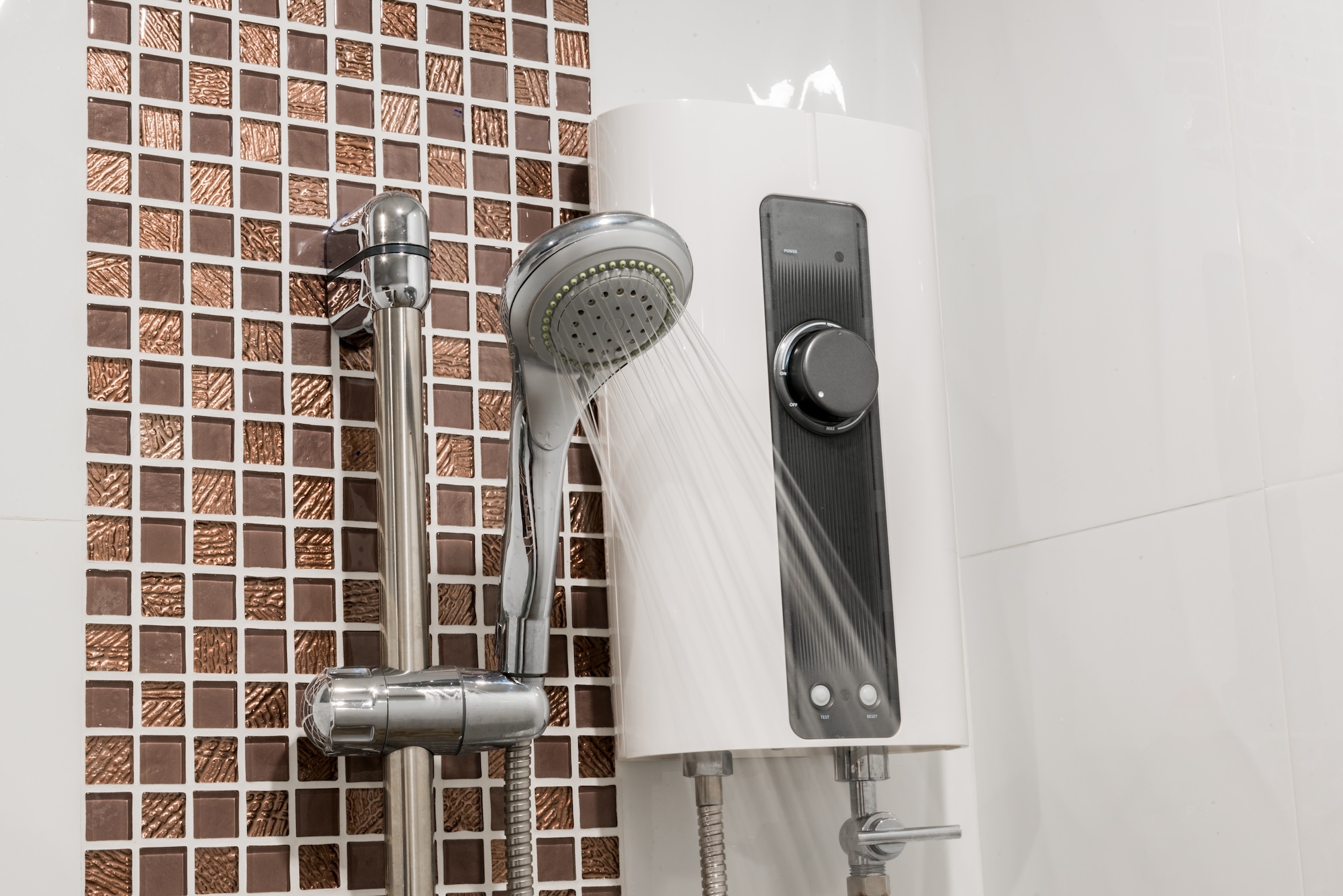
Electric showers are different from a mixer shower connected to centrally heated water. They heat the incoming mains supply inside the unit, so follow the appliance controls and manufacturer guidance for your particular shower.
Do not assume that every replacement shower head or flow-reducing fitting will suit an electric shower. Compatibility matters. If you want a clearer introduction to the setup, read How Do Electric Showers Work?.
Keep any changes to electrical connections, plumbing or gas equipment outside this decision. Those jobs need the appropriate professional and manufacturer guidance.
Easy ways to use less
Small habits can make a practical difference without turning the bathroom into a project:
- Keep showers to the length you actually need.
- Choose a lower flow only when it is suitable for your shower and supported by the manufacturer.
- Run a bath to a comfortable, modest level rather than filling it by habit.
- Use your own bills and normal routine when deciding which option makes better sense at home.
Choose what suits your home
A quick, low-flow shower will often be the cheaper option. But a long, powerful shower can use more water and energy than a modest bath. The best choice depends on what you actually use, how your water is heated, your energy tariff and whether you pay for water by volume.
Start with the routine you already have, make one small change if it suits your home, and use the result to choose with confidence.