
In this guide
A weak tap, shower or bath fill is easier to address when you identify where the symptom appears and what may be limiting the water. Begin by separating pressure from flow, then compare outlets before considering a system change.
Pressure and flow explained
Pressure is the force available to move water. Flow rate is the volume delivered over time. They affect one another, but they are not interchangeable.
Reasonable pressure can still result in reduced flow where pipework, fittings, bends, deposits or a fixture add resistance. An outlet can also provide a usable flow where the available pressure is lower. A weak outlet is therefore a symptom to investigate, not a diagnosis.
Measure and narrow the symptom
Use a marked jug or container and a timer to compare litres per minute at more than one outlet. This non-invasive observation gives useful context, but one measurement is not a definitive diagnosis.
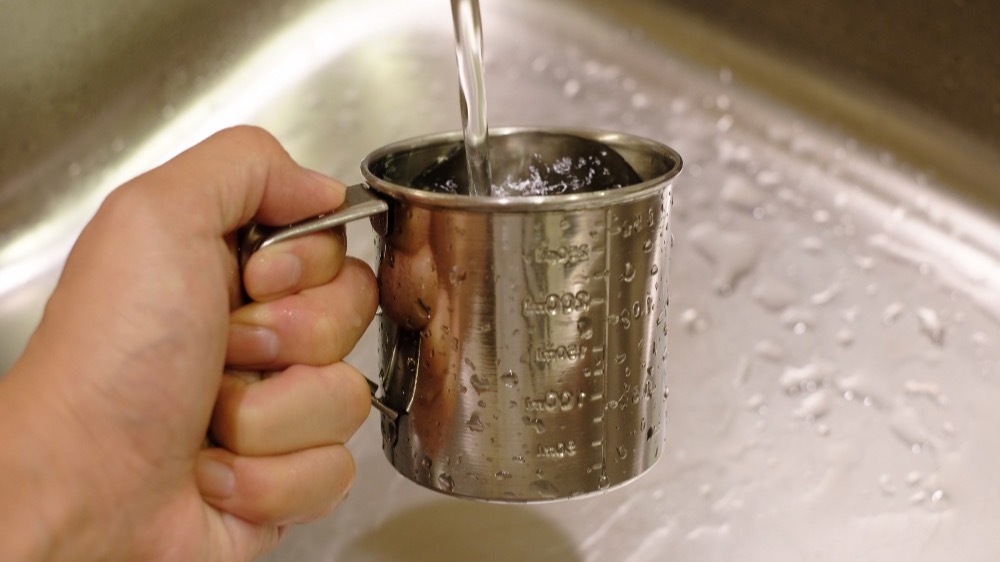
One poor outlet can indicate a local restriction. Similar symptoms at several outlets are a reason to consider the wider supply or home system.
Check external and shared causes
Ask neighbours whether they have noticed a change and check for water-supplier notices or planned work. Local disruption, shared demand and naturally lower supply can affect what you experience. These checks help narrow the issue without proving its cause.
Common home-side causes
Possible causes within a property include a partly closed isolation valve, a stopcock, a pressure-control component needing assessment, a leak, restrictive pipework, or a blocked aerator or shower head. Comparing outlets can help distinguish a fixture symptom from a wider one.
A seized or uncertain stopcock should be assessed rather than forced. The stopcock collection can help identify the relevant component.
Gravity systems and available head
Gravity-fed supplies depend on the height difference between stored water and the outlet. Higher outlets can have less useful pressure, so the available head matters when assessing the symptom.
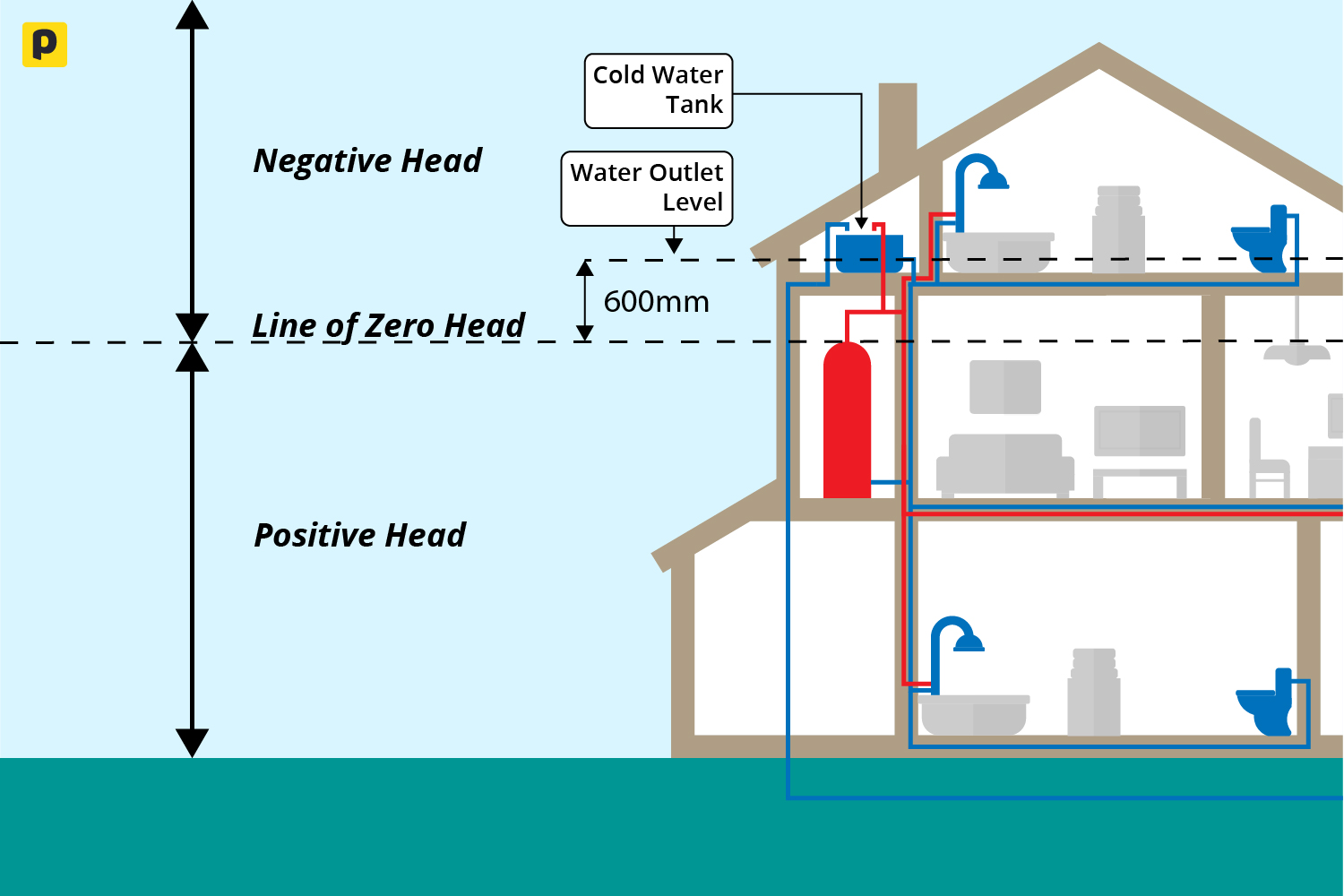
Moving tanks is a potentially disruptive system change requiring proper assessment. It is not a general homeowner remedy.
Choose a suitable solution
Resolve a supply issue, suspected leak, valve concern or fixture restriction first where that is the likely cause. Shower pumps, mains-inlet boosters and accumulator arrangements are different options for different systems, demands and installation situations.
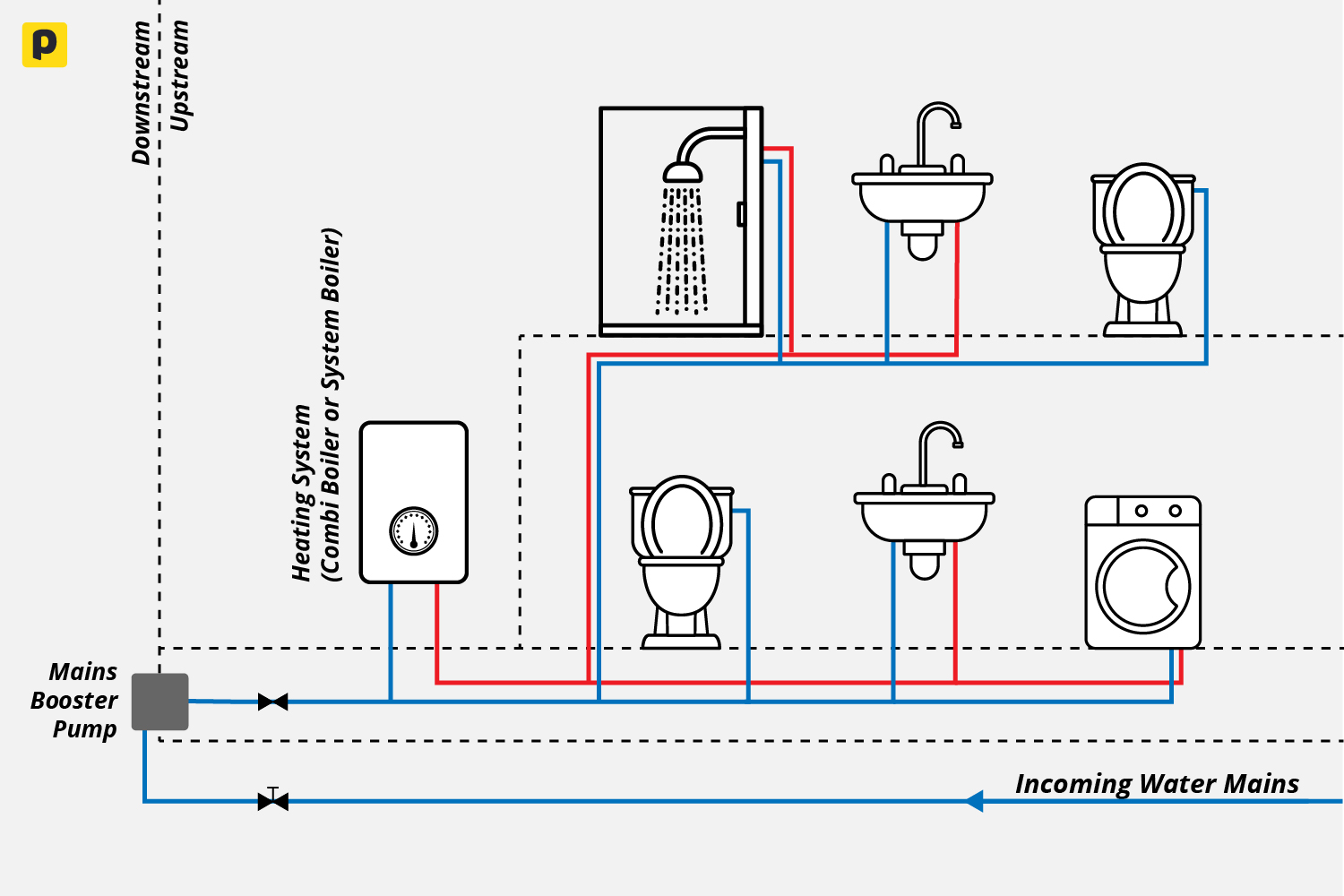
A pump is not automatically suitable. A system-specific assessment should come before selecting a product or beginning any work. If a mains-inlet booster has been identified as suitable, see the Mains Inlet Booster Pumps collection.
When professional help is sensible
Seek help for a sudden widespread change, a visible or suspected leak, uncertainty around a valve or pressure-control component, or any proposed change to tanks, mains-connected equipment or pipework. A qualified plumber can identify the system and assess suitability. Contact the water supplier where a wider supply issue is suspected.
Key questions answered
Is low flow always low pressure? No. Pressure is force and flow is delivered volume. A restriction can reduce flow without confirming a whole-system pressure issue.
How can I compare flow? Use a marked container and timer at more than one outlet. Treat the result as a comparison, not a definitive diagnosis.
What can one poor outlet suggest? It can suggest a fixture or local restriction, while several affected outlets may need wider investigation.
Will a pump solve the problem? Not automatically. The cause and water system need assessment first. If a shower-pump route is suitable, explore the Shower Pumps collection as a considered next step.
Start by comparing the outlets you use most, then take those observations to the right person. This gives you a clearer route to a proportionate solution.