
In this guide
A well-chosen bathroom radiator gives you comfortable room heat, practical towel warming and a style that works with the space. The key is to make those decisions in the right order. Start with the heat the room needs and the heating system you have, then use size, position and appearance to narrow the shortlist.
There is no single radiator style that suits every bathroom. A compact cloakroom, a family bathroom and a large en-suite can have very different heat-loss, wall-space and everyday-use requirements. A sensible choice brings those details together instead of relying on looks alone.
Plan for a comfortably warm bathroom
Bathrooms can feel particularly cool because tiled and other hard surfaces do not feel warm underfoot, while windows, external walls and ventilation can increase heat loss. Room volume, insulation and glazing also affect the amount of heat needed. These factors vary from one home to another, so begin with the actual room rather than assuming that any bathroom radiator will do the job.
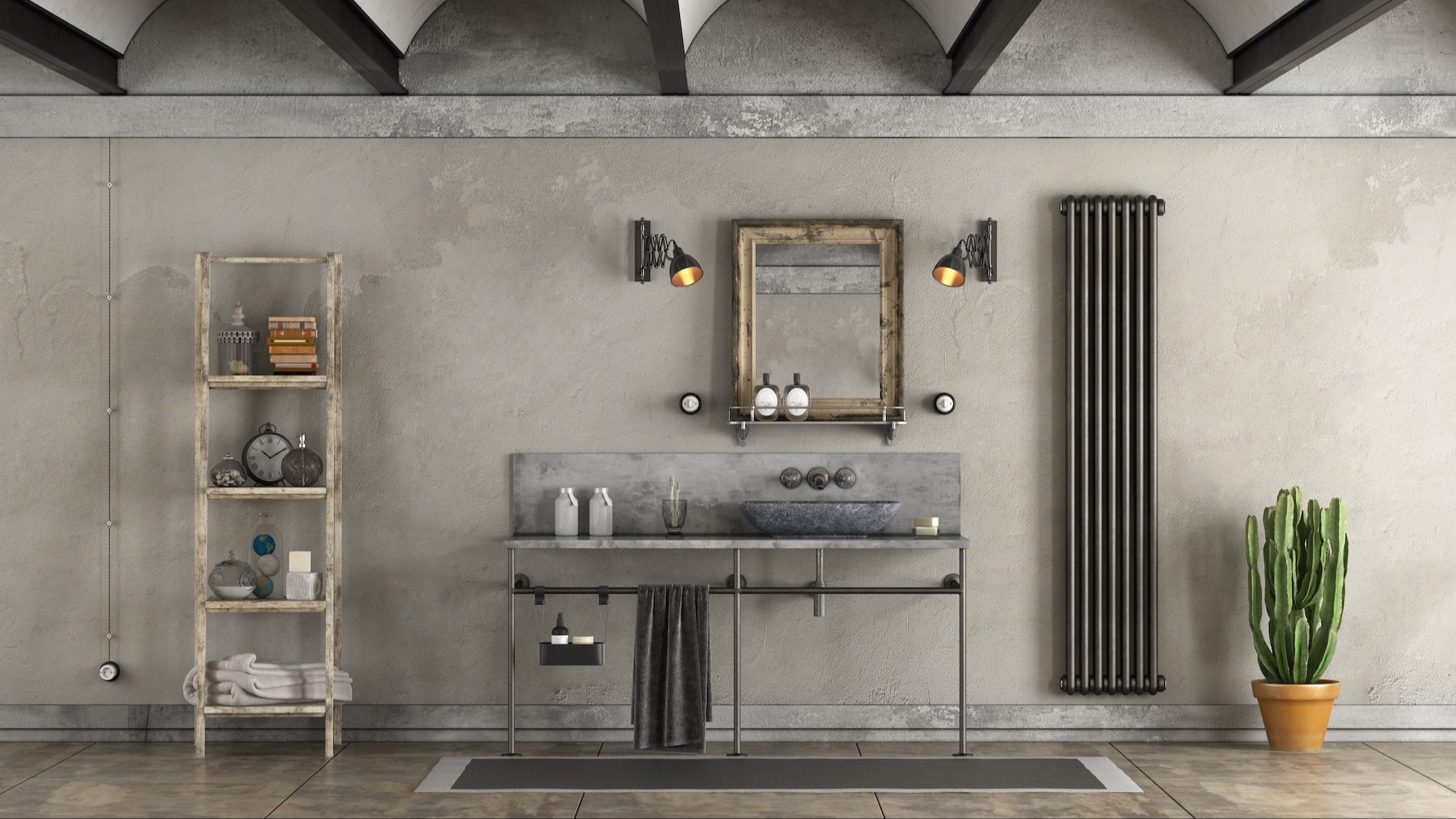
Think about what you want the radiator to achieve as well. Room heating is the first requirement. Warming or drying towels can be an additional benefit, and the shape, colour and finish can help the radiator sit comfortably within the bathroom design.
Start with the required heat output
A room heat-loss calculation gives you the output the radiator needs to provide. It considers practical details such as room volume, insulation, glazing, external walls and ventilation. The result can be expressed in watts or British Thermal Units, usually shortened to BTU. For a fuller explanation of BTU figures and temperature differences, see BTUs and Delta Ratings in Radiators Explained - The Ultimate Guide.
Compare that requirement with the manufacturer's stated output for each product. Check that the figure is quoted at the temperature difference relevant to your heating system, as the same radiator can have different stated outputs under different test conditions. If you are unsure about the calculation or the operating temperature of your system, ask a qualified heating professional to confirm both before you buy.
Physical size alone is not a reliable guide to heating performance. Two radiators with similar dimensions may have different stated outputs, so use the verified figures to build your shortlist.
Central-heating bathroom radiators
A hot-water radiator connected to the home's central-heating circuit is a familiar way to heat a bathroom. When its output is correctly matched to the room, it can provide the main room heat while offering a wide choice of horizontal, vertical, traditional and contemporary forms.
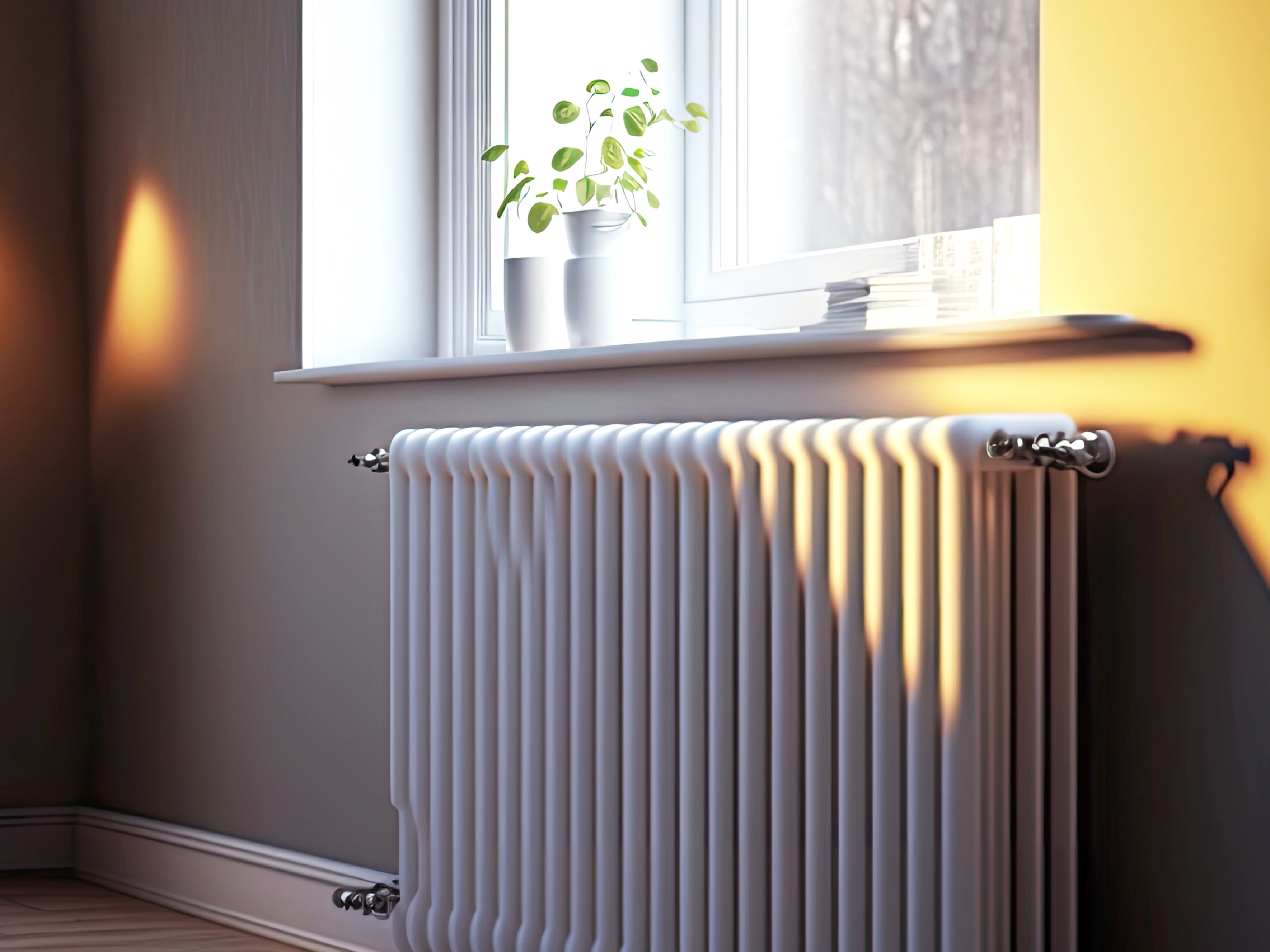
Before choosing one, check the system temperature, available wall space, existing pipe positions and the valve arrangement. Reusing existing services can simplify the plan, while moving pipework may affect the scope of the job. A plumber or heating professional can confirm whether the proposed radiator and valve layout are suitable for the system.
Heated towel rails
A heated towel rail combines useful hanging space with heat for towels and the room. It can be a practical fit where keeping towels warm and helping them dry is an important part of the brief. Designs vary in height, width, orientation and finish, so there are options for compact bathrooms as well as larger spaces.
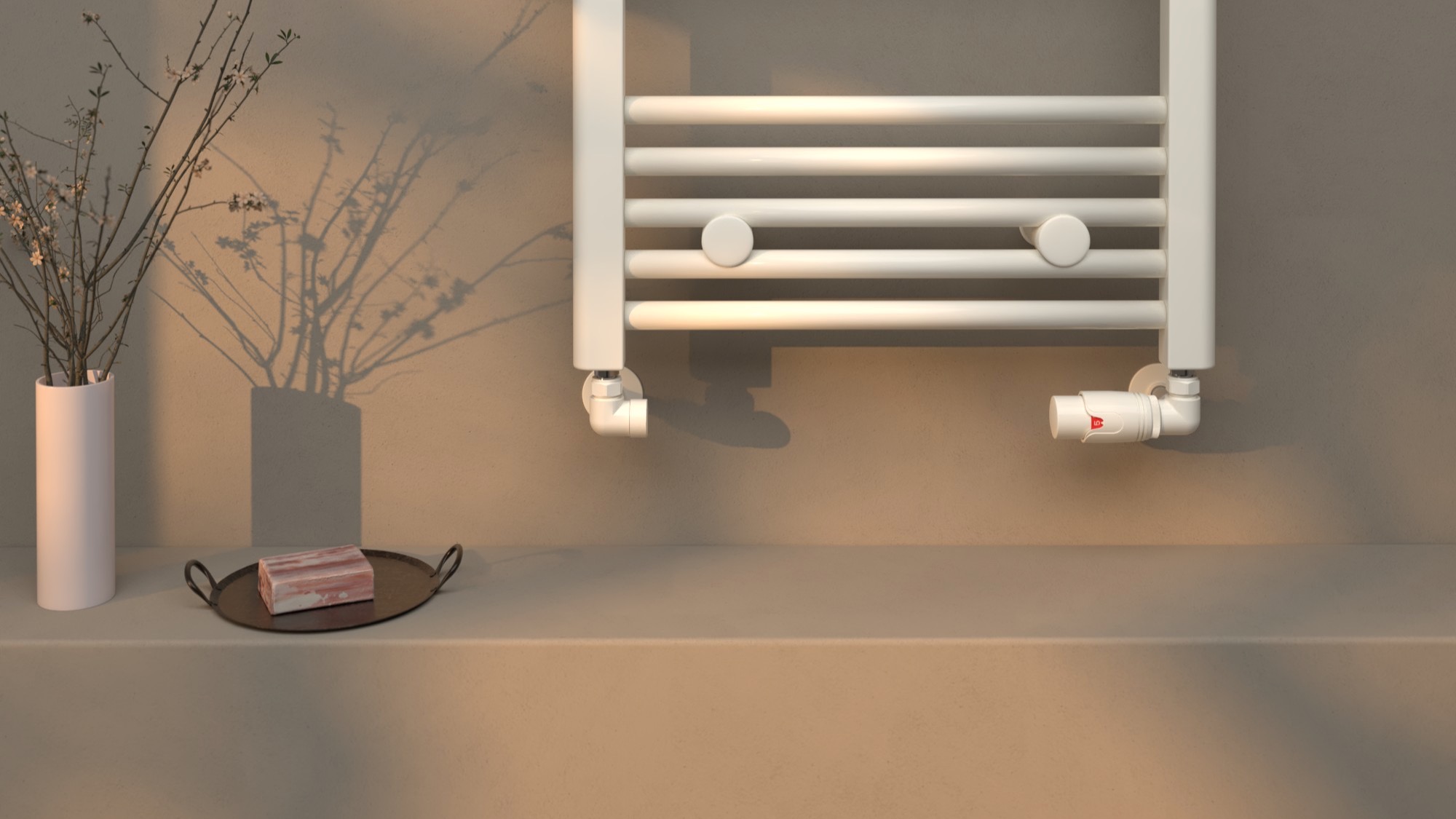
Do not assume that every towel rail will meet the full heating requirement. Check its stated output against the room's calculated demand, particularly if towels will cover part of the rail during normal use. You can explore the current Towel Rails range once you know the output and dimensions you need.
Chrome, white, anthracite and other finishes can each suit a different bathroom scheme. Treat finish as a design and care choice unless the product information provides a supported performance or durability distinction.
Electric and dual-fuel options
An electric bathroom radiator operates independently of the central-heating circuit. That can suit a property without suitable hot-water pipework in the proposed position, or a room where independent operation is part of the plan. The chosen product, control arrangement and electrical supply must all be suitable for the bathroom and the intended location.
A dual-fuel radiator combines a central-heating connection with an electric element. This can allow the radiator to be used with the main heating system and, when the product and controls are designed for it, independently when the central heating is off. It is a useful distinction for households that want bathroom heat or warm towels without operating the whole heating system at that time.
Follow the manufacturer's instructions and use appropriately qualified tradespeople for bathroom plumbing and electrical work. Confirm compatibility and control requirements before purchase rather than trying to adapt an unsuitable radiator later.
Check the space, pipework and controls
Once heat output and operating type are settled, measure the practical space. A radiator has to work around doors, cabinets, sanitaryware and the way people move through the room. For a towel rail, make sure there is comfortable access for hanging and removing towels.
- Measure the usable wall area, including the available height and width.
- Check whether a horizontal or vertical format fits the layout more naturally.
- Note the existing pipe positions, pipe centres and likely valve arrangement.
- Identify any electrical supply needed for an electric or dual-fuel option.
- Check the manufacturer's installation information and required clearances.
- Allow reasonable access for controls, cleaning and future maintenance.
Dimensions help a radiator fit the room, but they do not replace the output calculation. Keep both checks together when comparing products.
Choose a style and finish for everyday use
With performance and compatibility covered, you can choose the look that best suits the bathroom. A vertical radiator can make use of a narrower wall, while a horizontal design may sit more naturally beneath a window or along a low section of wall. A towel rail adds hanging space, whereas a conventional radiator may offer a different balance of form and available output.
Consider how the shape and finish work with the rest of the bathroom and how straightforward the surface will be to clean. Use the individual product information when comparing finishes or construction. Colour and appearance alone do not establish heating performance, resistance to moisture or long-term durability.
Your bathroom radiator shortlist
Before making the final choice, check that every shortlisted radiator passes the same practical tests:
- Its stated output meets the calculated heat requirement at the relevant temperature difference.
- Its hot-water, electric or dual-fuel operation is compatible with the planned system and controls.
- It provides the right balance of room heating and towel warming.
- Its dimensions, orientation and position work with the available wall space.
- Its pipework, valves and any electrical requirements have been considered.
- Its finish and form suit the room and normal cleaning routine.
- The product information and installation requirements have been checked.
For broader help comparing radiator types, room requirements and placement, read Which Radiator Do I Need? A Comprehensive Guide.
If any of those points remain uncertain, confirm them with the appropriate qualified professional before ordering. Once you have the output, system and dimensions clear, compare the available Bathroom Radiators and choose the option that fits the job with confidence.