
In this guide
Choosing between an electric radiator and a wet-system radiator is easier when you compare the whole heating arrangement, not just the appliance on the wall. Both can be practical choices, and neither is automatically best for every home.
The useful starting point is your project. Heating one room without extending pipework is a different decision from changing a complete heating system. Your existing infrastructure, room heat loss, controls, energy prices and installation scope all shape the sensible answer.
Electric and wet radiators are different arrangements
A direct-acting electric radiator uses electricity at the appliance and does not need a water circuit. Each unit can operate independently, subject to the controls and connection method specified for that product.
A wet-system radiator is an emitter within a larger system. Heated water reaches it through flow and return pipework from a separate heat source. That source might be a boiler or a heat pump, so a wet radiator is not inherently a gas appliance.
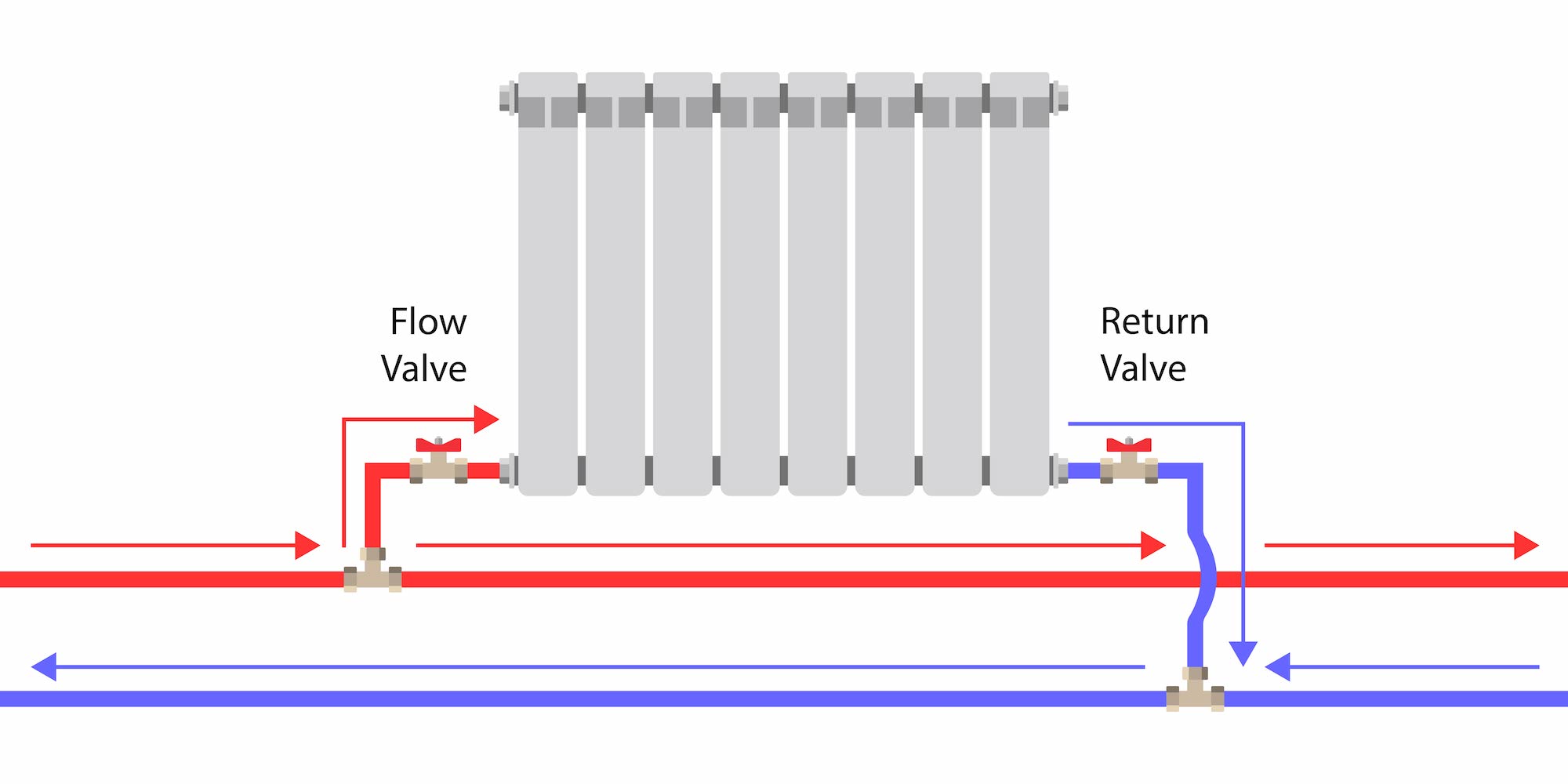
The choice does not have to be all or nothing. A home can use a wet system for its main heating and electric radiators in selected rooms where independent heating is useful or extending the pipework is impractical.
Efficiency does not settle the running-cost question
Most electricity used by a resistance radiator becomes heat at the point of use. That is useful to understand, but it does not prove that direct electric heating will produce the lowest bill, use the least energy across the home or have the lowest carbon impact.
A wet radiator's delivered heat also depends on the heat source and distribution system. A meaningful cost comparison therefore needs current information for the actual property, including:
- the current tariff for each energy source;
- the heat source's efficiency or operating performance;
- heat lost through the wet distribution system;
- the building's heat demand and room-by-room heat loss;
- how effectively the heating is zoned and controlled; and
- how many rooms are heated, for how long and at what temperatures.
Energy prices change, so a fixed electricity-to-gas ratio is not a sound basis for a lasting decision. Compare current tariffs alongside the expected use of each system, rather than relying on a general rule of thumb.
Output, warm-up and comfort depend on the room
Electric radiators are not automatically faster in every setting, and wet radiators do not automatically provide more even warmth. Response and comfort depend on the radiator's construction, mass and rated output, the control behaviour, its position, the room's heat loss and how the heating is used. For a wet radiator, the water temperature also affects available output.
Start with a room heat-loss calculation, then compare it with the manufacturer's output data at the relevant operating conditions. For wet emitters, the temperature difference used for the rating matters. The BTUs and Delta Ratings in Radiators Explained - The Ultimate Guide gives a fuller introduction to comparing stated radiator outputs.
A large room does not become unsuitable for electric heating simply because of its size. Equally, a familiar wet radiator is not automatically adequate. In both cases, the selected output needs to meet the calculated heat loss under the conditions in which the system will run.
Installation scope can change the practical answer
An electric radiator can avoid extending a wet pipe circuit, which may make it a practical option for an isolated room, an extension or a space used at different times from the rest of the home. That does not make every installation simple. The connection method, available electrical capacity, proposed controls and location all need to suit the product and the property.
A wet radiator may be a natural fit where serviceable pipework and a suitable heat source already exist. Adding or changing emitters can still involve pipe alterations, heat-loss sizing, compatible water temperatures, suitable valves and commissioning. A complete new wet system is a much larger project than replacing one compatible emitter.
Keep the scale of the decision clear. Adding independent heat to one room, extending an existing system and converting a whole home each have different cost, disruption and infrastructure implications.
Controls and maintenance are different, not absent
Some electric radiators include unit-level thermostats, timers or connected controls, but those features must be confirmed for the specific model. Wet systems may combine central time and temperature controls with room-level or emitter-level control.
A thermostatic radiator valve can form part of that room-level control on a suitable wet system. If you want to understand the distinction before choosing valves, see Thermostatic Radiator Valves Explained: What They Are and Whether You Need Them.
Maintenance also sits at system level. A wet system can involve radiator valves, trapped air, water condition, leaks, pumps, pipework and the heat source. An electric radiator avoids those wet-system components, but its electrical connection, controls and internal components still need appropriate attention. Neither category is inherently more reliable or always cheaper to maintain.
Safety and environmental claims need context
This comparison is for choosing an approach, not carrying out the work. Fixed electrical work, gas appliance work, pipe alterations, system commissioning and fault diagnosis should be assessed and completed by an appropriately competent person, following current manufacturer instructions and the requirements that apply to the job.
Environmental performance also depends on more than the label on the radiator. Electricity supply, the wet system's heat source, actual heat demand, distribution performance, controls and operating pattern all matter. A renewable electricity tariff does not by itself prove the lowest whole-system impact.
Wet radiators are not limited to boiler-led systems. If a heat pump is part of your plans, Air Source Heat Pumps and Radiators - What You Need To Know explains why radiator output at the proposed water temperature must be considered against each room's heat loss.
Build the decision around your home
There is no universal winner, but there is a clear way to narrow the choice. Work through the factors that affect your property:
- Existing system: establish what heat source, pipework, electrical capacity and controls are already available.
- Heat requirement: obtain a room-by-room heat-loss calculation rather than choosing by appearance or a generic room-size estimate.
- Project scale: distinguish one supplementary room from an extension or a whole-home heating change.
- Running pattern: consider which rooms need heat, when they are occupied and how independently they should be controlled.
- Current costs: compare current tariffs with the expected efficiency or performance of the complete heating arrangement.
- Installation scope: check pipe routes, water temperatures, electrical connection and capacity, controls and commissioning needs.
- Future plans: consider maintenance responsibilities and whether the proposed setup supports any planned heat-source change.
Switching can be worthwhile when the new arrangement fits the building, heating pattern and budget better than the current one. It should not be assumed from a headline efficiency figure or fuel-price comparison. Confirm the room heat loss, check current tariffs and product documentation, then ask a competent heating or electrical professional to assess the installation details. That gives you a practical basis for choosing with confidence.