
In this guide
A better electric-shower experience starts with identifying what has changed. Weak spray, temperature cycling, no water and a leak are different symptoms, and they do not all mean that the incoming pressure is low. A few safe observations can help you describe the problem clearly, avoid an unsuitable quick fix and choose the right next step.
Keep the shower's exact model and handbook at the centre of every check. Electric showers vary, so a figure or fix that suits one unit may be wrong for another. Stay with external observations and manufacturer-approved care. Anything involving the cover, internal components, fixed wiring or fixed pipework belongs with the manufacturer or a suitably qualified professional.
Start with the symptom, not the solution
Before changing a shower head, buying a pump or arranging other work, note what the shower is actually doing. Useful details include:
- when the change began and whether it is constant or intermittent;
- whether the spray is weak, the water is too cool, the temperature cycles or no water appears;
- whether the unit shows a warning light, low-pressure indicator or fault code;
- whether the symptom changes at busy times, when another outlet is running or between warmer and colder months;
- whether other cold taps are affected; and
- whether water appears at a hose connection, from the shower casing or from a separate safety outlet.
This description is more useful than labelling everything as a pressure problem. For example, a restricted outlet accessory, changing inlet conditions and a unit fault can produce different versions of an underperforming shower.
How an electric shower's output changes
A standard electric shower heats its incoming cold-water supply as the water passes through the unit. The result at the shower head depends on the exact model, the selected power setting, the incoming water temperature, and the inlet pressure and flow remaining within the manufacturer's stated limits.
Pressure and flow are related, but they are not the same. Pressure is the force available in the supply, while flow is the amount of water delivered over time. A weak-looking spray does not tell you either figure on its own, and it is not enough evidence to prescribe a pressure product.
Season can also matter. Colder incoming water may need to pass through the unit more slowly to reach the same outlet temperature. If the shower seems slower in winter, record the pattern and compare it with the model handbook rather than assuming that the unit or supply has failed.
Check the shower head and hose safely
Start with what you can see from outside the unit. Look for a kink in the hose, obvious hose damage, a visibly loose external connection or blocked spray holes. Use only the cleaning method given for the exact shower head and model. Do not use sharp tools, descaler, vinegar or disassembly unless the manufacturer specifically permits that method.
The shower head and hose can form part of the unit's safe outlet arrangement. A restrictive or unsuitable accessory can contribute to temperature cycling, overheating, back-pressure or operation of a safety device. Use the supplied parts or replacements that the manufacturer confirms are compatible with the exact model. Do not remove a flow restrictor, fit a generic high-flow head or improvise a test by disconnecting and filling the hose.
If water is visible, note precisely where it appears and whether the shower is running. Do not remove the cover or reach inside to locate the source.
Know when to stop using the shower
Stop using the shower if water is leaking from the unit casing or discharging from a pressure-relief or safety outlet. The same applies if the electrics repeatedly trip, there is a burning smell, a cable is damaged or the unit has lost its electrical supply. Follow the manufacturer's safe isolation and service advice for the model.
Do not block a safety outlet, reset an internal safety device, test live electrical parts or remove the cover. A manufacturer-approved service route can assess a unit fault. Electrical diagnosis and fixed electrical work need a suitably qualified person.
Separate a shower fault from a supply issue
Compare the shower with other cold outlets in the property. If several outlets change at the same time, the pattern may point beyond the shower. Also note whether the issue coincides with simultaneous water use, a particular time of day or a known local supply disruption.
Your water company can advise on a supply-side issue. Restrictions, controls or pipework within the property need competent investigation. Avoid treating a single shower symptom as proof that the whole property needs boosting.
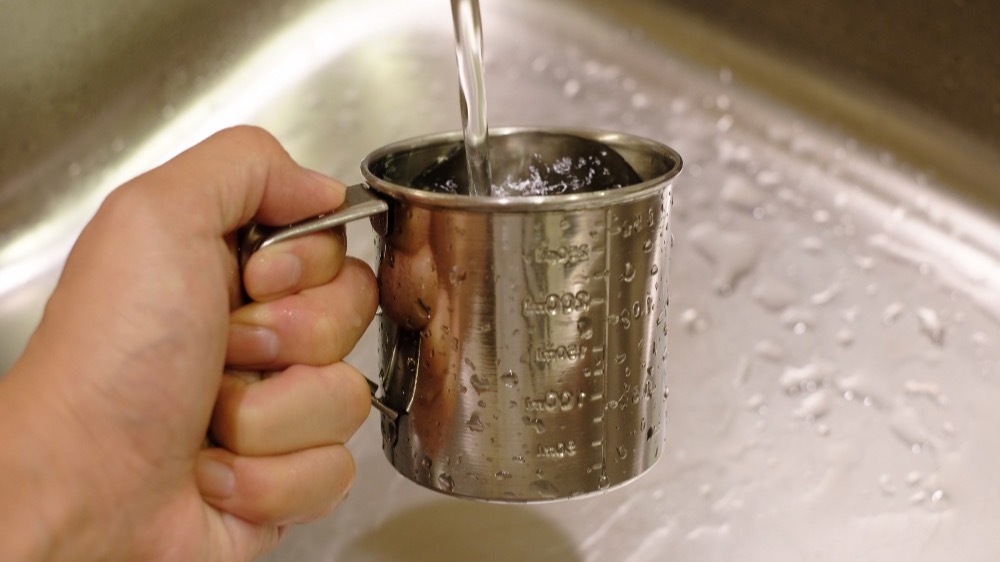
If the shower handbook, water company or a professional asks for a timed flow reading at a specified tap, follow that method exactly. A jug-and-time reading describes flow at that outlet at that moment. It is not a measurement of static or dynamic pressure, and it should be treated as one part of the diagnosis rather than a product-selection result.
Consider shower pumps only after compatibility checks
A conventional shower pump is not a default fix for a standard mains-fed electric shower. A purpose-designed pumped electric shower is a different product type, and electric showers, power showers and mixer showers do not share one set of supply requirements.
Before considering any pump, confirm the shower type, exact model, water source, manufacturer permission and inlet limits. The proposed arrangement also needs competent design and installation that meets the applicable requirements. If those checks identify a suitable route, PlumbHQ's electric shower compatible shower pumps collection can help you review related options without assuming that every product suits every shower.
Review whole-home options proportionately
A mains booster, accumulator or repiping project should follow measured evidence of a wider property problem, not a weak shower spray alone. The right approach depends on the property's water-supply arrangement, demand, manufacturer limits, local water-undertaker requirements and a competent design.
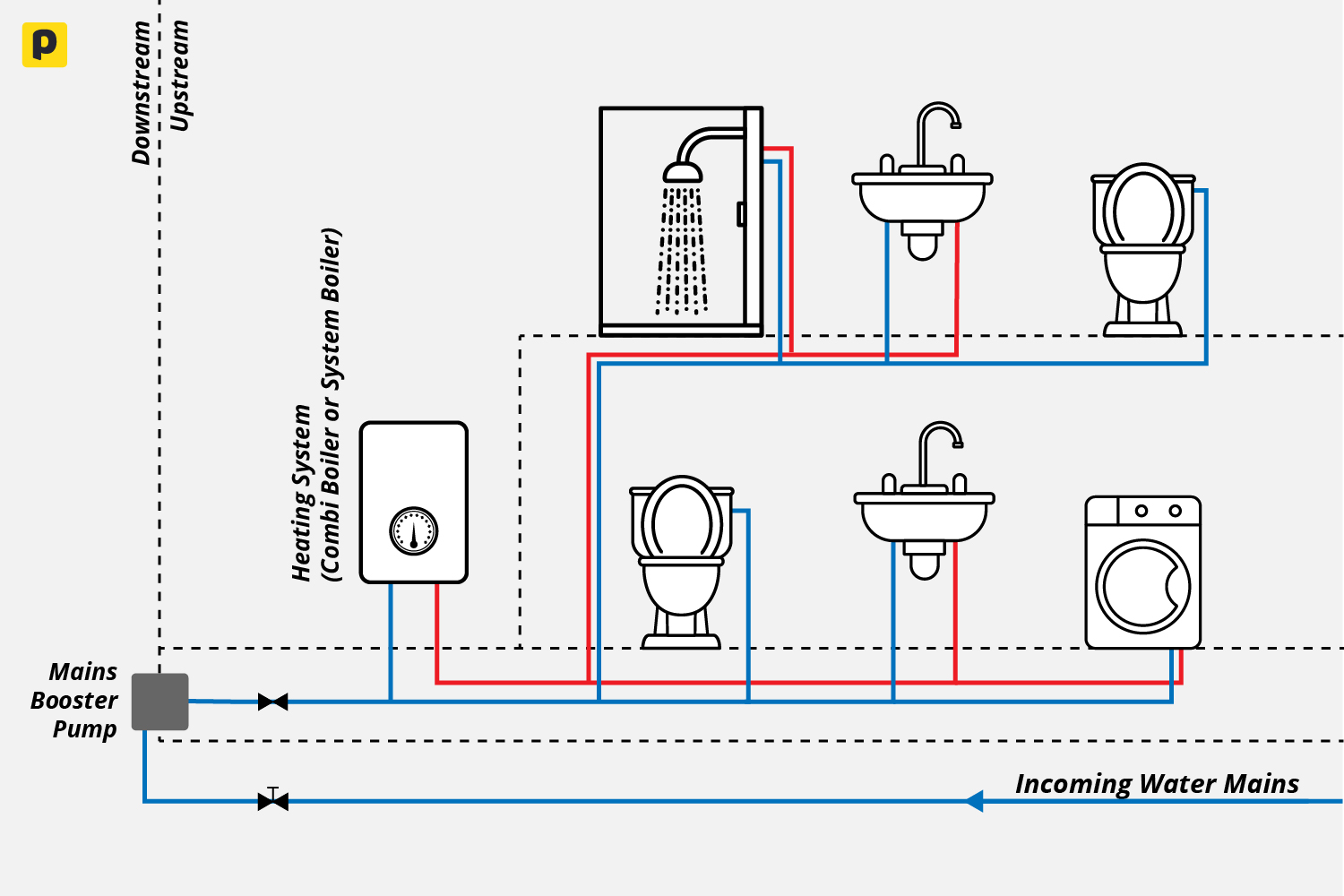
The diagram is a schematic example of a mains booster serving several outlets. It is not an installation plan for a particular home. An accumulator stores water under pressure, while repiping addresses property pipework; neither is automatically the right answer to an electric-shower symptom.
In England and Wales, a proposed demand above 12 litres per minute can trigger a notification requirement to the local water undertaker. That is not a universal statement that demand above this figure is illegal, and requirements differ elsewhere. Confirm the current rules and design before selecting equipment. Where a measured whole-home issue supports this route, the mains inlet booster pumps collection provides a relevant starting point for a properly assessed project.
Choose a safe, proportionate next step
Bring the evidence together before deciding what to do:
- Find the exact model number and manufacturer handbook.
- Record the symptoms, timing, fault indicators, other affected outlets and the precise location of any water.
- Complete only the external observations and cleaning permitted by the handbook.
- Use only a replacement head or hose confirmed as suitable for the model.
- Contact the manufacturer or its approved service route for a suspected unit fault or safety-device operation.
- Use a suitably qualified person for electrical concerns, and seek competent plumbing or supply assessment before adding pumps, boosters, accumulators or new pipework.
This route keeps a simple accessory check simple, while giving supply and unit faults the care they need. If a verified pressure solution is appropriate, PlumbHQ can help you compare the relevant range once the shower, supply and installation requirements are clear.