
In this guide
A radiator cover can give an unattractive radiator a cleaner, more considered place in the room. It can also put a barrier between people or pets and the radiator itself. The qualified answer is that a cover can be a good idea, but only when it suits the radiator, preserves airflow and leaves controls and service points accessible.
A cover is not an automatic safety upgrade, storage unit or energy-saving measure. Its value comes from balancing appearance and contact separation with the radiator’s main job: delivering heat to the room.
When a radiator cover can work well
The clearest benefit is decorative. A well-chosen cover can conceal a tired-looking radiator and help it sit more comfortably with the rest of the room. It may also reduce direct accidental contact with the emitter, which can be useful where children or pets share the space.
That barrier still has limits. The cover itself can become warm, and it should not be treated as childproof or pet-proof. If the design includes a top ledge, use it only for the loads and heat exposure permitted by the cover manufacturer. Do not assume it is suitable storage for heat-sensitive or combustible items.
A cover should not be used to disguise a heating problem. If a radiator is noisy, slow to warm or failing to heat the room properly, enclosing it is not a remedy. The underlying cause may need competent assessment.
How a cover can affect room heating
A wet central-heating radiator receives heated water from the wider system. Energy passes through the radiator body, then reaches the room mainly through natural convection, with some radiant heat. Warm air rises from around the radiator while cooler room air returns at a lower level, creating a circulation pattern. Our guide to how a radiator works covers that process in more detail.
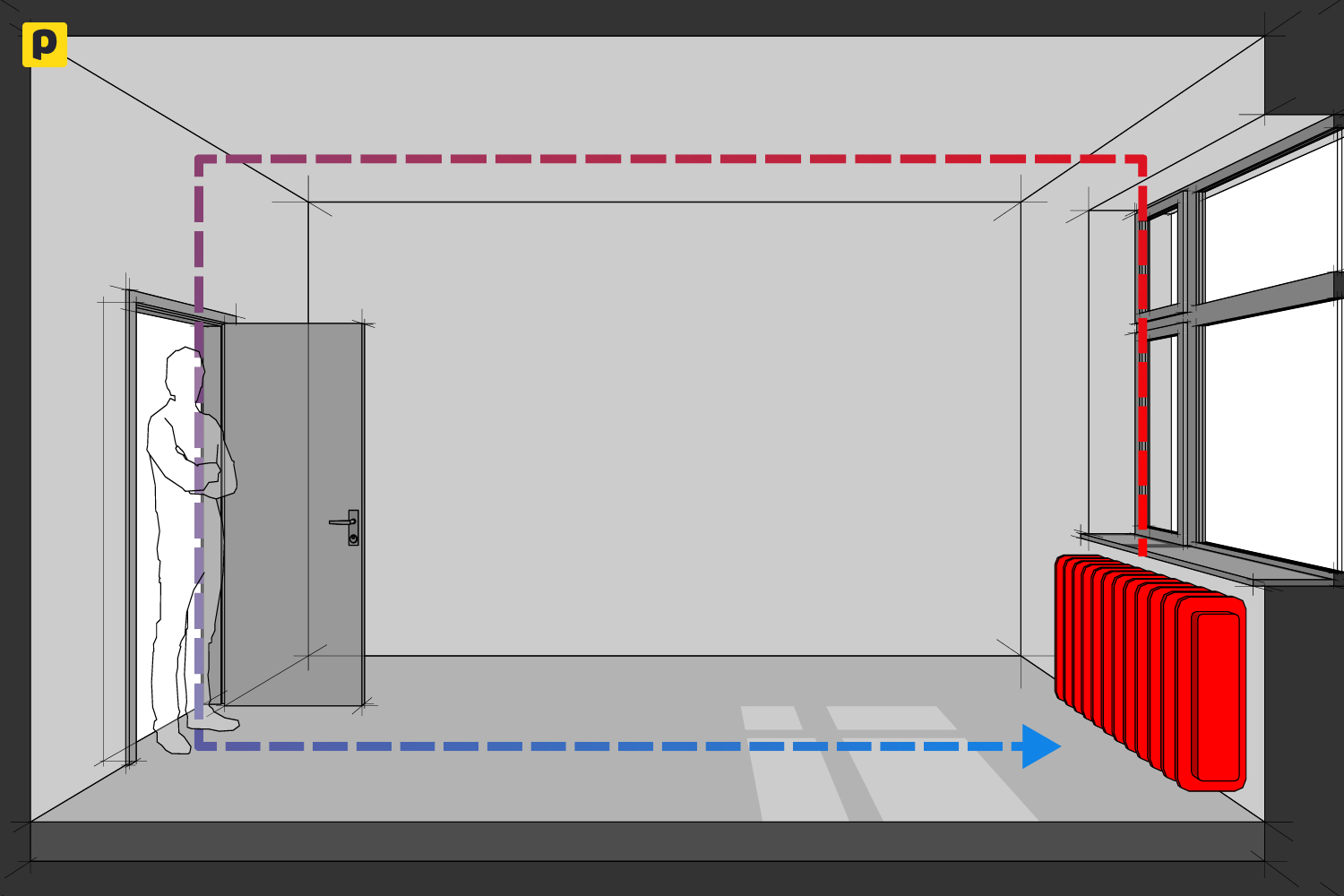
A cover adds another barrier to that path. If it restricts the low-level air entering, the warm air leaving at the top, or the open area at the front, it may slow the rate at which heat reaches the room. It can also change how quickly the room warms. A cover does not create extra heat, so the aim is to avoid obstructing the heat the radiator is already able to deliver.
Airflow and control checks that matter
Good cover design gives room air a clear route in and out. Look for an unobstructed low-level inlet, a generous high-level outlet and an open or well-vented front. Curtains, furniture and decorative items should not block those paths.
Clearance also matters, but there is no useful universal measurement for every radiator and cover. Follow the instructions for both products and confirm that the proposed arrangement is compatible. If a thermostatic radiator valve or other control needs to sense room air, do not trap it inside the cover. Valves, controls and service points should remain easy to reach.
Reflective material should be treated as a separate, product-specific decision rather than a guaranteed efficiency improvement. If a reflector is being considered behind a radiator, follow its own instructions and check that it suits the wall and heating arrangement. Do not line a cover on the assumption that reflective backing will reduce bills or increase output.
Safety, materials and fitting
A suitable cover, made and fitted for its intended use, can reduce direct access to a hot radiator. It does not remove heat from the area or guarantee protection. The cover surface may warm up, and a poorly secured or unsuitable design can introduce sharp edges, trapping points, instability or blocked airflow.
Before fitting, check that the cover is stable, its edges and openings are appropriate for the room, and its vents will stay clear. Keep combustible and heat-sensitive items away from the radiator and cover. Make sure you can still reach valves, bleed points and any areas that need inspection.
Take extra care with electric radiators and storage heaters. Do not enclose an electrical appliance unless its manufacturer explicitly permits a compatible cover or arrangement. If the surface becomes unusually hot, the room includes a vulnerable occupant, or you are unsure about the fitting, ask a competent heating professional for advice.
Radiator cover or replacement radiator?
A cover and a replacement solve different problems. If the existing radiator is sound, correctly sized for the room and heating satisfactorily, a compatible cover may provide the decorative change or contact separation you want. If the radiator is damaged, corroded, leaking, unsuitable for the room or unable to meet the room’s heat requirement, covering it does not address that issue.
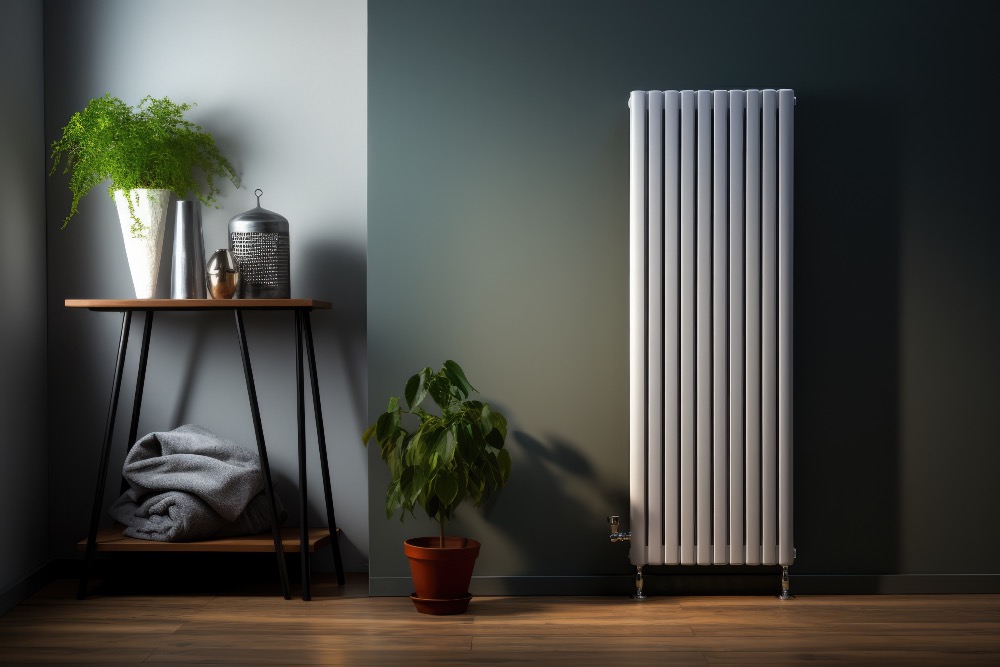
Compare the options using the condition of the radiator, the room’s measured heat requirement, available space, existing system compatibility, appearance and total installed cost. A newer radiator is not automatically the better answer, and a cover is not automatically the cheaper one. The right choice depends on what the room and heating system actually need.
A practical radiator-cover checklist
- Decide whether your priority is appearance, reduced direct contact, or both.
- Confirm whether the radiator is wet central heating, electric or another type.
- Read the radiator and cover manufacturers’ instructions before choosing or fitting anything.
- Measure the radiator, valves and available space carefully.
- Keep a clear low-level air inlet, high-level outlet and ventilated front.
- Leave thermostatic heads, controls, valves and bleed points accessible as required.
- Secure the cover using the permitted fitting method and check that it is stable.
- Keep vents clear and avoid placing heat-sensitive or combustible items on or against the cover.
- After fitting, check that the room warms normally and that all controls remain usable.
If any of those checks cannot be met confidently, pause and ask a competent heating professional. That is especially important where the radiator already performs poorly, shows damage or needs alteration.
Choose your next step
If replacement appears to be the better route, use our guide to choosing the right radiator to work through room heat requirement, space and system compatibility. Once you understand what your project requires, you can also browse Heating as a general next step.