
In this guide
If a radiator is warm at the bottom but noticeably cooler at the top, releasing trapped air may be a sensible first maintenance check. The key is to work safely: let the system cool, use the right tool for the bleed valve, protect the area from drips and stop if the symptom points to something more than trapped air.
What does bleeding a radiator do?
This guide is for water-filled central-heating radiators. Air can enter a heating system during routine work or maintenance and may collect inside a radiator. Because that air takes up space, the circulating heating water may not fill the radiator as it normally would.
Bleeding opens the small bleed valve so trapped air can escape. It can be useful where the symptom is consistent with air, but it is not a diagnosis and it will not cure every cold-radiator problem. A radiator that is cold at the bottom, cold all over, repeatedly loses heat or is part of a wider system issue needs a different check.
Look for the right signs first
With the heating running, compare how each radiator feels without placing your hands on very hot metal. A radiator that is warmer below and cooler at the top can be consistent with trapped air. Make a note of the affected rooms before you turn the heating off.
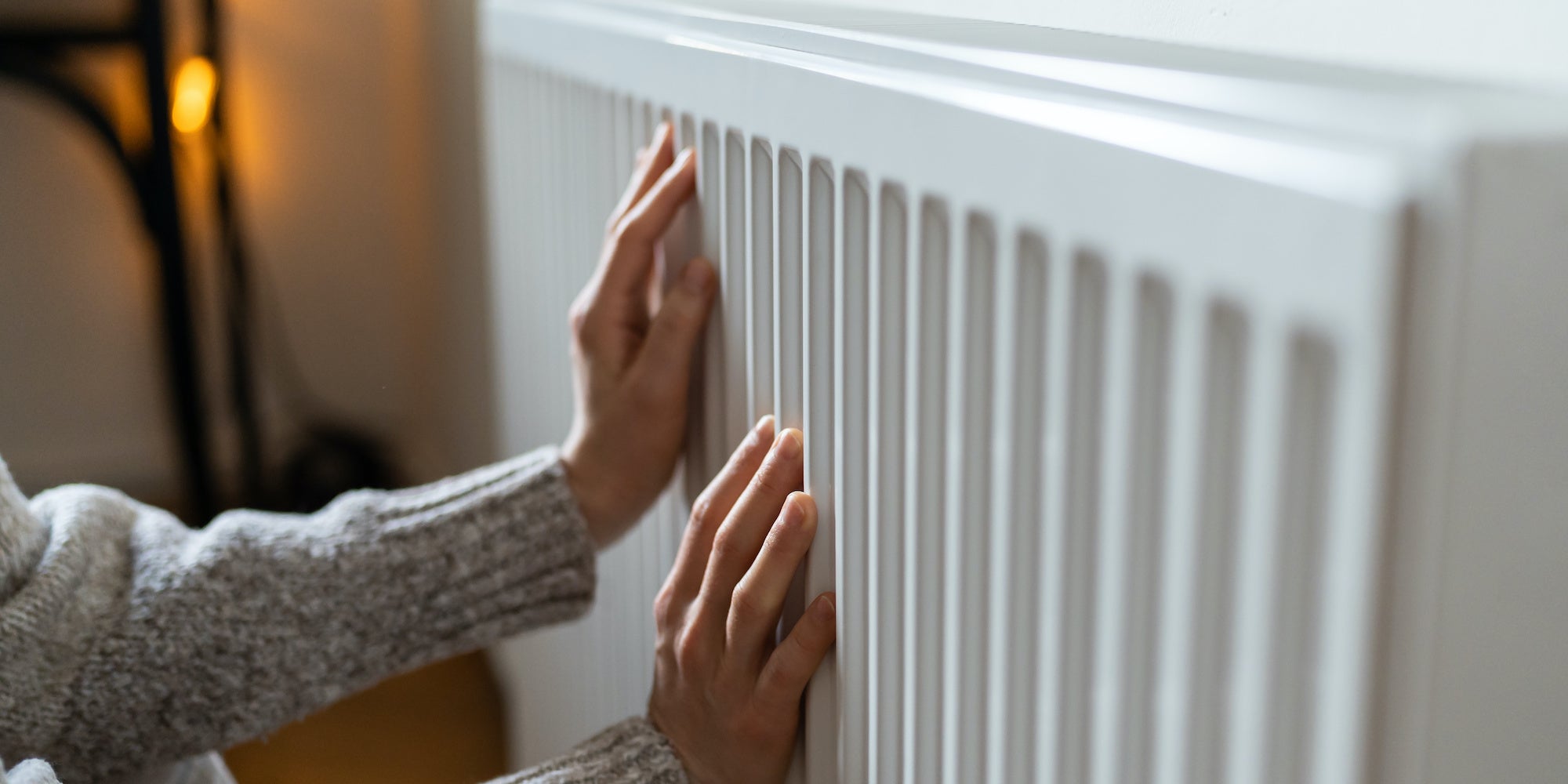
Do not assume that every cold radiator needs bleeding. A cold bottom, one radiator that does not warm at all, recurring loss of heat or several radiators behaving differently can point to a wider heating issue. In those cases, bleeding may not be the right next step.
Prepare before opening the bleed valve
Switch the heating off and wait for the radiators to cool fully before opening any valve. Hot water can cause burns, and a cool radiator is easier to work around safely.
Put a cloth and a small container below the valve to protect the floor and catch any water. The bleed valve is the small fitting commonly found near the top of the radiator. It is different from the flow and return controls at the bottom.
A radiator key is common, but the right tool depends on the valve fitted to your radiator. Some valves are designed for a screwdriver, while others are not. Use only a tool that fits properly. Do not force the valve or use pliers on an ill-fitting fitting.
How to release trapped air carefully
- Fit the correct key or screwdriver to the bleed valve.
- Open the valve slowly and keep the cloth and container in place.
- Listen for air escaping. Once the hissing stops and water first appears, close the valve gently.
There is no single radiator order that suits every home. System layouts and manufacturer guidance can differ, so use the instructions for your own heating system where they are available. Avoid over-tightening the bleed valve when you close it.
Restart and check the system
When you have finished, restart the heating and check whether the affected radiator warms more evenly. Also look around the bleed valve for any sign of a leak.
On a sealed heating system, bleeding can affect the displayed boiler pressure. Check your boiler instructions afterwards and only use controls you already understand and that are documented for your system. Do not guess at a pressure setting or operate an unfamiliar filling control.
When to stop and get help
Stop and seek competent heating advice if the bleed valve will not open or close, water keeps escaping, there is a visible leak, the symptom returns frequently or the radiator does not improve after a careful bleed. The same applies if you are uncertain about the controls on your heating system.
Bleeding does not replace fixing a leak, servicing a boiler, balancing a system or investigating an internal circulation problem. A little caution here can help you avoid turning a simple check into a repair job.
A practical next step
Start with the symptom, let the system cool, protect the area, use the correct tool and release air slowly. Then check the radiator and the bleed valve once the heating is back on. If the radiator remains cold or the pattern does not look like a cool top, read Why is my radiator cold? for more help with safe next checks. When those checks do not resolve the issue, a competent heating professional can diagnose the wider system properly.