
In this guide
A cold radiator is easier to understand when you look at the pattern before reaching for a tool. With the heating calling for heat, check whether the problem affects one radiator, several radiators or the whole home. Then notice whether the radiator is cold all over, cooler at the top, cooler at the bottom or simply uneven. Those observations can point you towards the right next step without turning a symptom into a firm diagnosis.
Start with the heat pattern
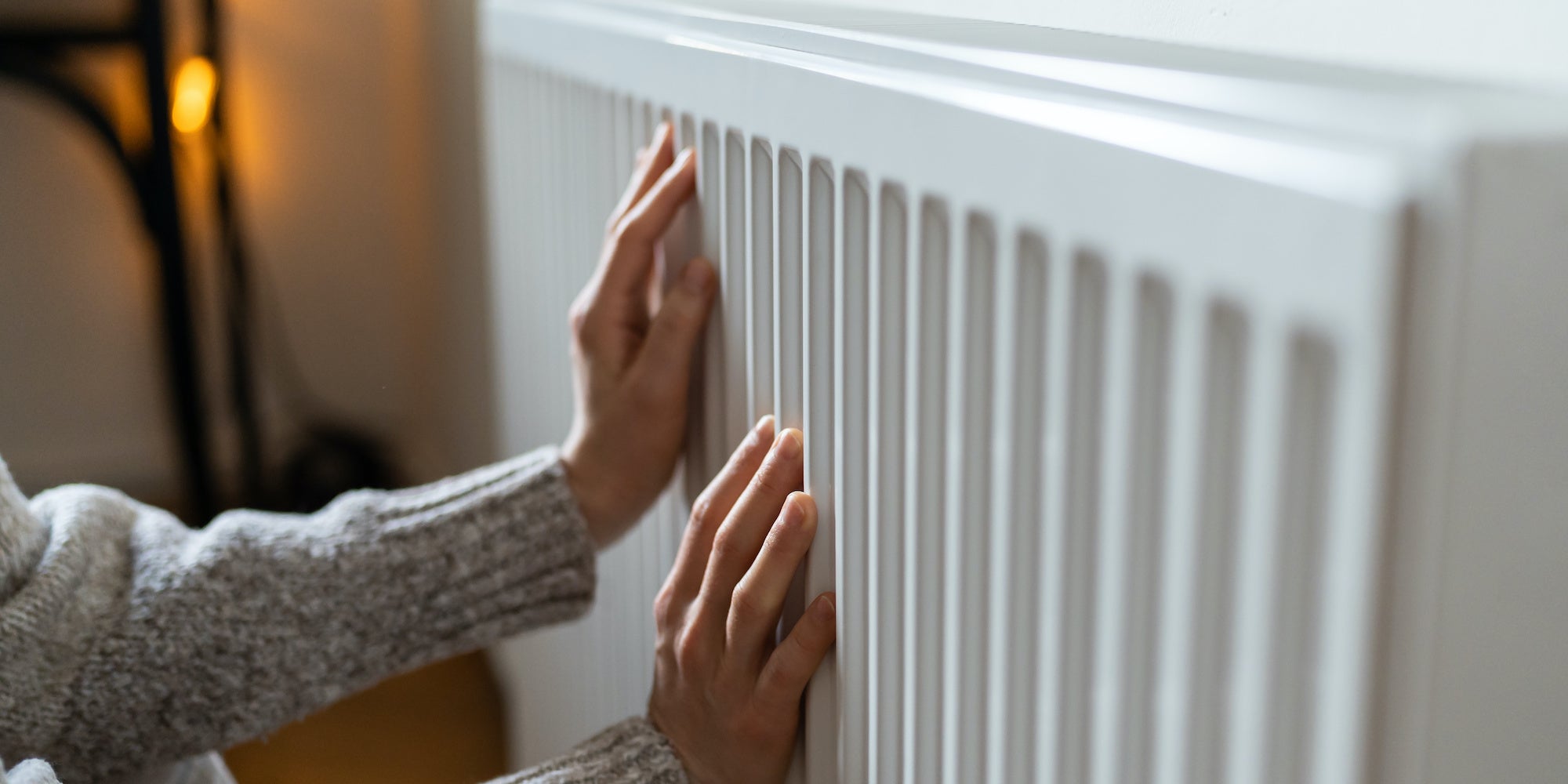
Give the system time to respond after the programmer or thermostat requests heat, then compare affected radiators with others in the home. A radiator that feels cooler is not automatically faulty. The heating may be cycling, a thermostatic radiator valve may have limited the flow because its room is already warm, or a weather-compensated or lower-temperature system may be running the radiators cooler by design.
The most useful starting points are:
- one radiator is cold while the others warm normally
- several radiators warm slowly or remain cold
- every radiator is cold
- one part of a radiator remains noticeably colder than the rest
Temperature patterns narrow the possibilities, but they do not prove a particular fault. Combine what you feel with the room temperature, the system controls and whether the symptom keeps returning.
If the radiator is cold at the top
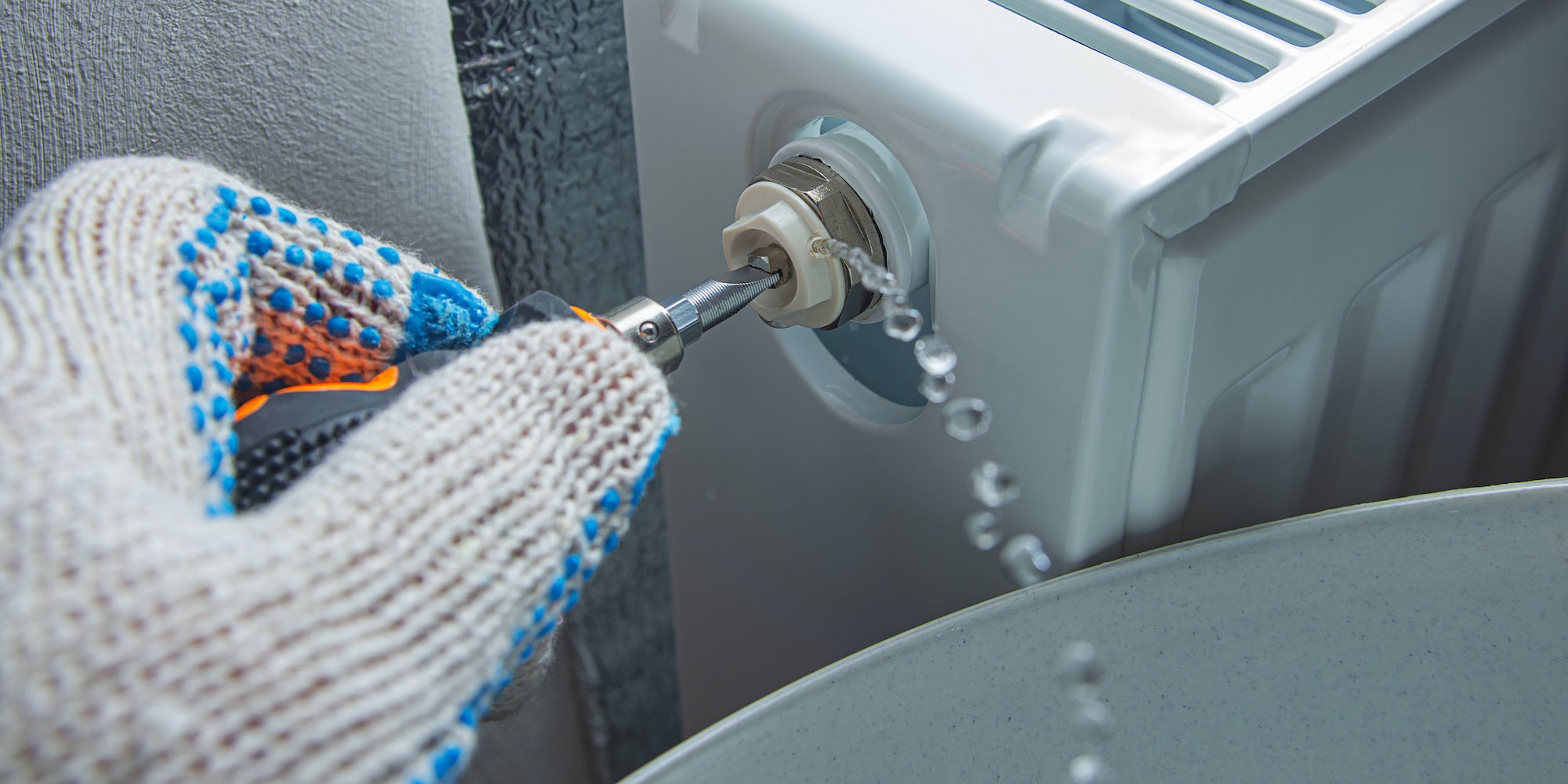
A cold top with a warmer lower section commonly points towards trapped air, although the pattern alone is not proof. Air can prevent hot water from filling the whole radiator, so bleeding may be the appropriate first job when the symptom fits.
Let the system cool and prepare the area before opening a bleed point. Follow our guide to bleeding a radiator for the full safe procedure rather than improvising. On a sealed system, bleeding can affect system pressure, so check the pressure against the instructions for your exact boiler model afterwards. There is no single pressure figure that applies to every installation.
If air returns regularly, several radiators need frequent bleeding or you also see pressure loss, arrange an assessment. Repeated air can be a sign that the wider system needs attention rather than another routine bleed.
If the radiator is cold at the bottom
A noticeably cold lower area with a warmer top can suggest restricted circulation, corrosion debris or sludge inside the radiator or system. A modest difference from one part of a radiator to another can be normal as the water releases heat, so judge the pattern alongside how well the room warms and whether the cold zone is pronounced.
Touch alone cannot confirm sludge or tell you which treatment is suitable. If the radiator remains poor after the basic control checks, our radiator flushing guide explains the difference between flushing options and when a professional water-quality and flow assessment is sensible. Flushing and chemical treatment should respond to an identified system condition, not a fixed calendar schedule.
If one radiator stays cold
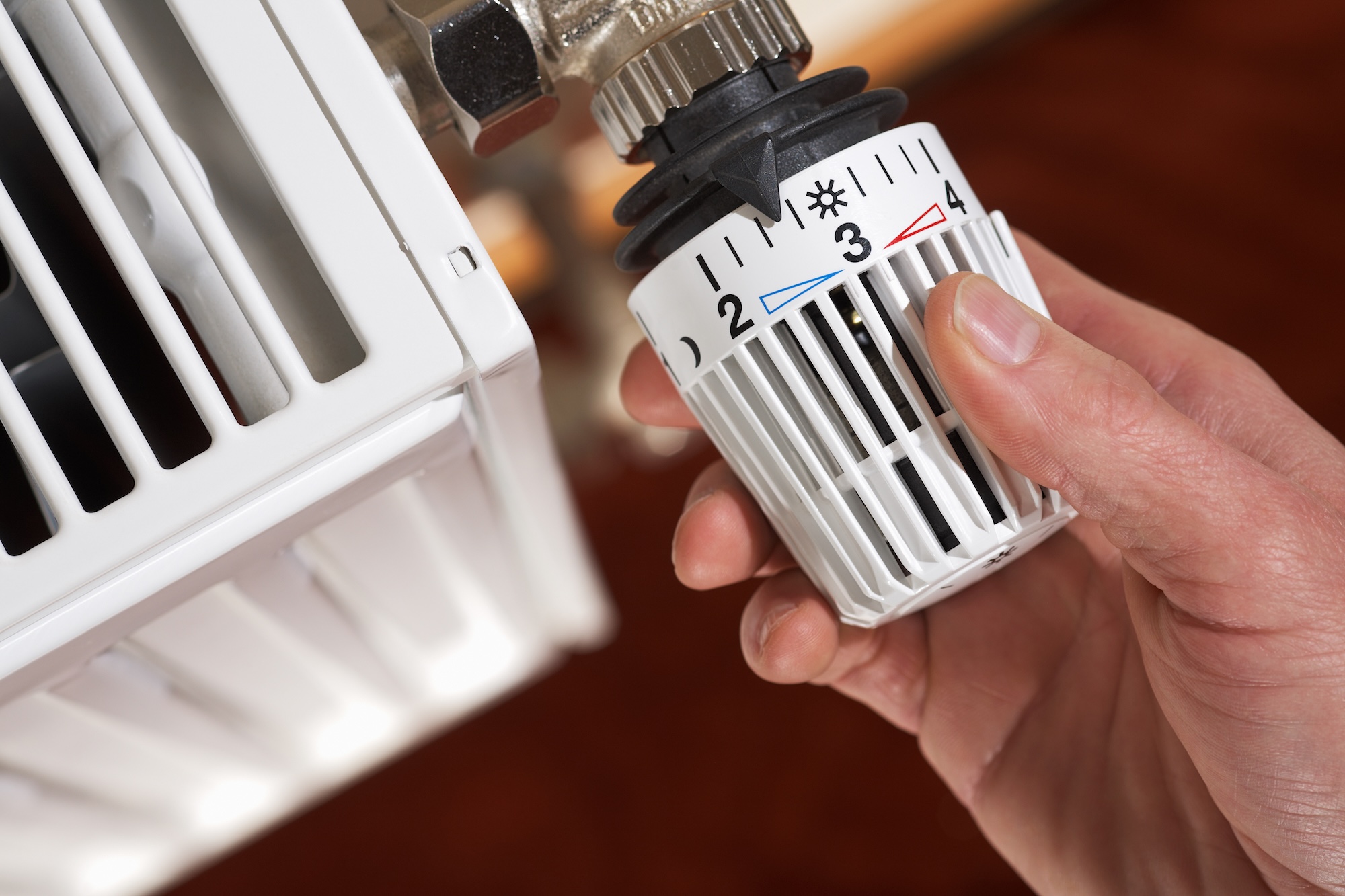
When nearby radiators heat normally, begin with that radiator's controls. Check that its thermostatic or manual valve is set to request heat and consider whether the room is already warm enough for a thermostatic valve to restrict the flow. A closed, stuck or internally failed valve is possible, but poor balancing or a wider circulation restriction can create a similar symptom.
Do not assume that a distant or downstairs radiator must have a valve fault. If radiators warm at very different rates, read our radiator balancing guide. For a clearer view of what each valve does, use our radiator valve guide. If the valve appears stuck or defective, stop before removing the head or trying to free internal parts unless you have the correct model-specific instructions and the competence to work safely.
If several radiators or the whole home is cold
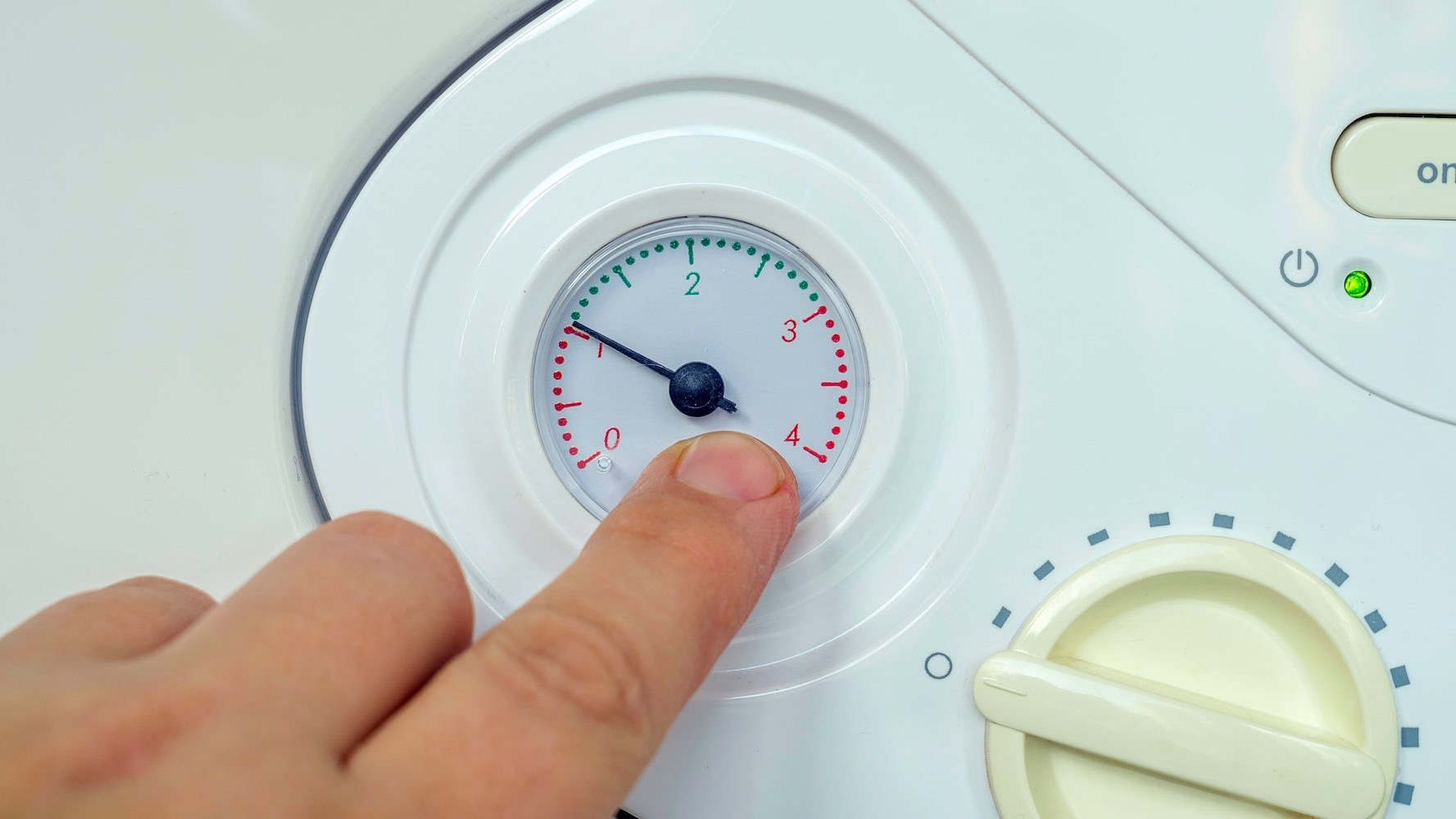
A wider cold pattern moves the checks away from one emitter and towards the controls and heat source. Confirm that the programmer is in an active heating period and that the room thermostat is asking for heat. If the thermostat has a display or replaceable batteries, check those too. Look at the boiler display for a fault or lockout message and use the manufacturer's instructions for that exact model.
For a sealed system, compare the pressure gauge with the model-specific operating information. Do not use a universal target or operate a filling loop from generic advice. Also check any user-adjustable heating flow-temperature setting against the appliance instructions. If controls appear correct, zone controls, circulation or the pump may need competent diagnosis. Noise on its own does not prove a pump fault, and the boiler casing should remain closed.
Know when to stop checking
Safe observation can tell you a great deal, but some symptoms need a heating professional. Arrange competent help if you find:
- a visible leak or repeated system pressure loss
- air that returns after bleeding
- corrosion-coloured water or persistent pronounced cold zones
- unusual system noises, repeated lockouts or an unresolved boiler fault
- several radiators that remain cold after the controls have been checked
- a suspected zone, circulation or pump problem
Do not open the boiler casing, repeatedly reset a faulting appliance or attempt pump replacement from a symptom alone. Work inside a gas appliance requires a Gas Safe registered engineer.
Choose the next sensible step
Match the next job to the pattern you have found. A likely air issue belongs with the bleeding guide, uneven flow with balancing, and pronounced cold zones with a proper circulation and water-quality assessment. If a competent check confirms that a radiator valve needs replacing, verify compatibility with the radiator, pipework and heating system before choosing from our radiator valves. That keeps the repair focused on the real cause and helps you choose the right part with confidence.