
In this guide
Radiator valves are small components with a big influence on how each radiator is controlled. They help you adjust or restrict the water flow through an individual radiator, so they work alongside rather than replace your boiler controls, room thermostat or wider heating controls.
When you are choosing a new valve or replacing an existing one, it helps to separate four decisions: the control you want, the pipe approach and valve pattern, the physical fit, and the visible finish. That order keeps the choice practical. A finish can complete a room, but it cannot make an incompatible valve fit.
What radiator valves do
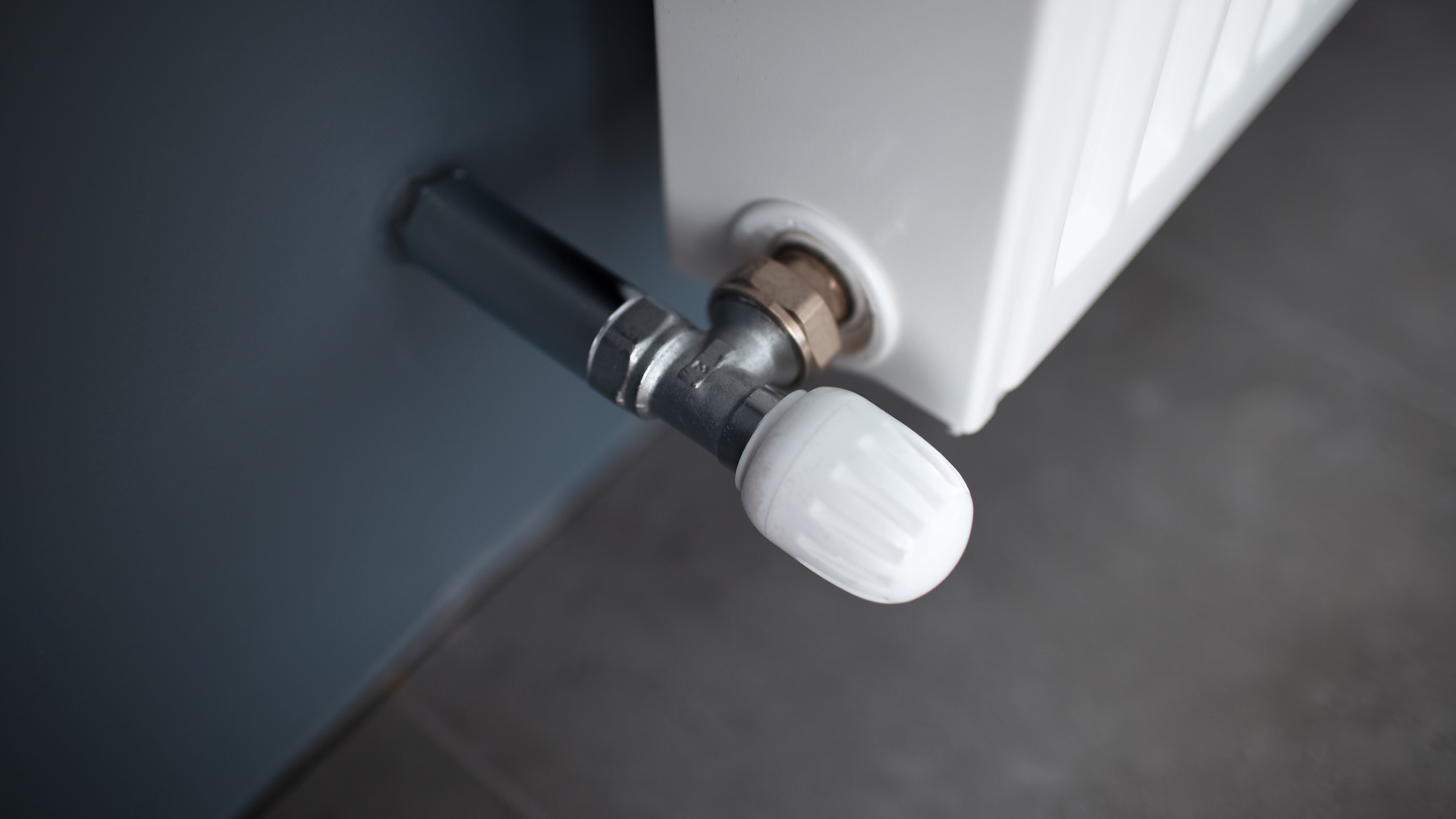
A radiator valve controls or restricts the flow of water at that radiator. Turning or adjusting the control changes how the radiator is allowed to operate within the wider heating system. It is useful to think of this as room-by-room control, not as a substitute for setting the heating system as a whole.
The right starting point is the result you want in the room. You may prefer a simple hand-adjusted control, a temperature-responsive control, or a connected smart option. Once that is clear, you can narrow the choice using the pipe route, radiator connection and the product specification.
A radiator usually has two valves
Many radiators have a valve at each end, but the two controls do not necessarily do the same job. One is normally the user-facing control that you adjust in day-to-day use. The other may be a lockshield or another return-side adjustment used as part of the radiator arrangement.
Do not assume a particular side is always the flow or return side, or that every installation follows the same layout. The pipework and valve arrangement need to be checked on the actual system. This guide is about choosing the right type of valve, rather than setting or balancing a heating system.
Manual, thermostatic and smart radiator valve controls
Manual radiator valves are direct hand-adjusted controls. They suit situations where you want a straightforward control that you set yourself. For a closer look at how they work, see How Do Manual Radiator Valves Work?.
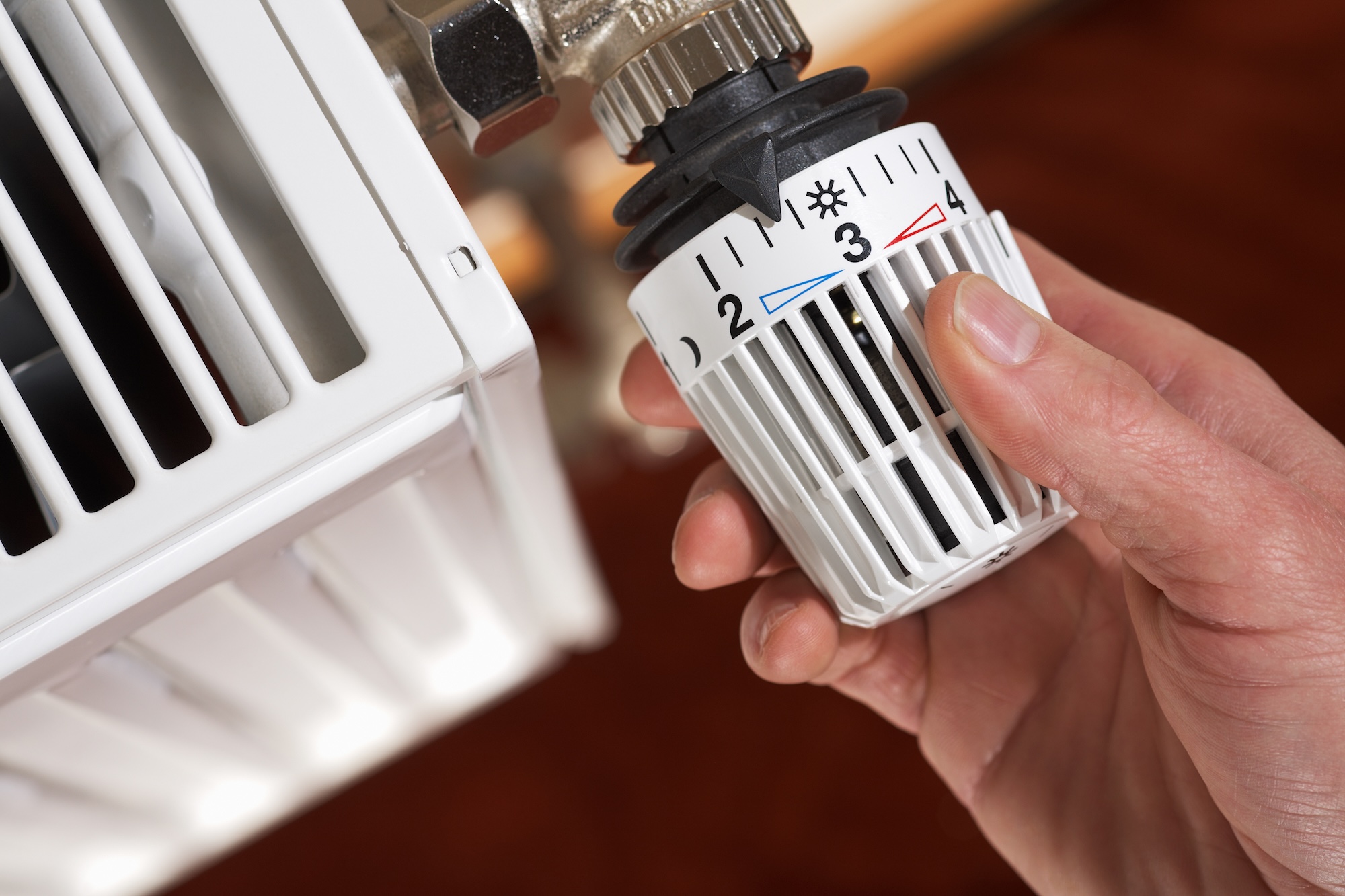
Thermostatic radiator valves, often called TRVs, respond to the temperature around the valve head. They provide a different approach to room control, but they are not automatically the best choice for every room or installation. The room use, wider heating controls and the verified suitability of the product all matter. Our guide to thermostatic radiator valves covers that option in more detail.
If a TRV has a numbered dial, treat it as a product-specific control reference. It is not a universal temperature table. Use the relevant product and manufacturer instructions to understand what the settings mean for that valve.
For a side-by-side decision, read Manual vs Thermostatic Radiator Valves: Which Should You Choose?. The practical question is not which type is universally better, but which control approach makes sense for your room and heating setup.
Where smart radiator valves fit in
Smart radiator valves are a separate connected-control category. Depending on the product and system, they may offer additional ways to manage a room, but their features, connection method, compatibility and control arrangements vary. Do not assume that every smart valve uses the same connection, has the same functions or will produce the same outcome.
Check the product specification and manufacturer guidance before selecting one. A smart control still needs to suit the radiator valve arrangement and the wider heating controls already in place.
Choose the valve pattern from the pipe approach
Control type and valve pattern are separate choices. The pattern describes the geometry that suits the pipe approach and radiator connection, so it is one of the most important checks before buying.
- Straight radiator valves can suit layouts where the pipe and radiator connection line up in a straight approach. See when to use straight radiator valves for the layout considerations.
- Angled radiator valves can suit a change in direction between the pipe approach and the radiator connection. Our guide on when to use angled radiator valves explains the decision in context.
- Corner radiator valves are another geometry option for particular approaches and clearances. Read when to use corner radiator valves when this layout is relevant.
These categories are useful starting points, not a substitute for checking the actual installation. A valve that looks right in a product image can still be wrong for the pipe route or connection on your radiator.
Checks to make before choosing a radiator valve
Before placing an order, confirm the pipe route and the radiator connection, then compare them with the valve pattern and the product specification. Check the stated pipe or thread details, available clearance around the valve and head, and any manufacturer instructions that apply to the product.
It is also worth checking the full valve arrangement rather than choosing a single visible control in isolation. If you are replacing an existing valve, avoid treating its appearance as proof of specification or compatibility. A quick check now is more useful than trying to solve a mismatch during fitting.
Match the finish after the fit is confirmed
Once the mechanism, geometry and fit are right, the visible finish can help the valves coordinate with the radiator, towel rail or nearby hardware. You can browse black, anthracite, white and chrome radiator valves once you know the required pattern and connection details.
Finish is a visual choice. It does not establish compatibility, valve mechanism, dimensions or performance, and the shade can vary between product ranges.
Move from selection to fitting
When you have confirmed the control type, pattern and specification, the next step is to plan the work appropriately. How To Install a Radiator Valve sets out the fitting considerations.
Isolation, draining, refilling and commissioning of a wet heating system require the relevant competence. If you are not confident that the existing arrangement and work involved are suitable for you, use a qualified professional rather than relying on a general overview.
Choose with the whole radiator setup in mind
The most confident choice comes from working in order: decide on the control approach, match the valve pattern to the pipe route, verify the physical details, then select the finish. That keeps the valve useful in the room and appropriate for the installation.
Once you have those checks confirmed, browse the full Radiator Valves range to compare the suitable options.