
In this guide
The main choice is how much individual room control you want. Manual radiator valves are often chosen where automatic control of each radiator or room is not a priority. Thermostatic radiator valves, commonly called TRVs, can provide finer room-by-room control by responding to the air temperature around the valve and reducing flow through that radiator as the air approaches the chosen setting.
That is a useful starting point, but not the whole buying decision. Once you know the control approach you want, you still need to verify that the valve arrangement, radiator connection and product details suit the installation.
The practical difference
A manual radiator valve is adjusted by hand. It is often a sensible route when rooms are treated in broad on/off terms or when the heating is managed centrally, for example by a central thermostat. This does not mean a manual valve cannot be adjusted individually. It means automatic individual radiator or room control is not the main requirement.
A thermostatic radiator valve responds to the temperature of the air around it. As that air approaches the setting you have chosen on the valve, it is intended to reduce the flow through the radiator. This provides a more temperature-responsive, room-by-room form of control without adding a separate complicated control system. It is not a promise of a precise temperature, energy saving or cost saving.
For a broader introduction to valve roles and patterns, read Radiator Valves Explained - The Ultimate Guide.
A quick way to choose
Start by deciding which of these control approaches better matches the project:
- Central or broad on/off control: Manual valves may suit when automatic individual room control is not a priority.
- Finer room-by-room control: Thermostatic valves may suit when you want each radiator to respond to the air temperature around the valve.
Neither answer confirms that a particular valve will fit. Treat it as the first decision, then check the valve arrangement, radiator and pipework before buying.
When manual control may suit
Manual control may suit a home where the heating is generally managed from a central point, or where rooms are thought of in straightforward on/off terms. You adjust the valve by hand when you want to change that radiator’s control. This can be a clear, direct approach when automatic individual radiator control is not a priority.
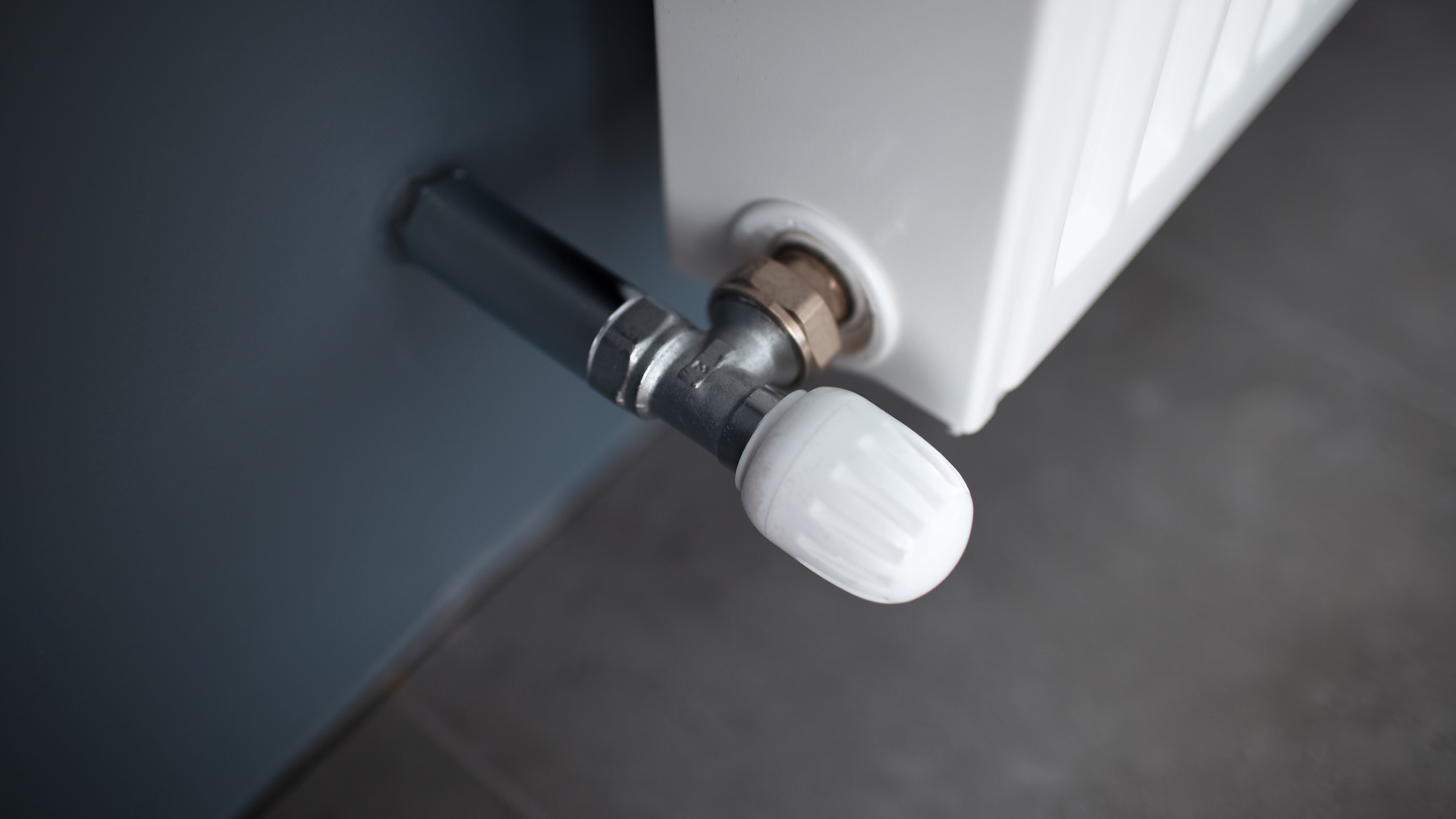
For a closer look at the operating principle, see How Do Manual Radiator Valves Work?. If that control approach suits the project, browse Manual Radiator Valves while checking the details of each product against the installation.
When thermostatic control may suit
Thermostatic control may suit you when finer room-by-room control is a priority. A TRV responds to the air temperature around it. As the air approaches the chosen setting, the valve is intended to reduce flow through that radiator. This gives the valve a temperature-responsive role at the radiator itself, without requiring a separate complicated control system.
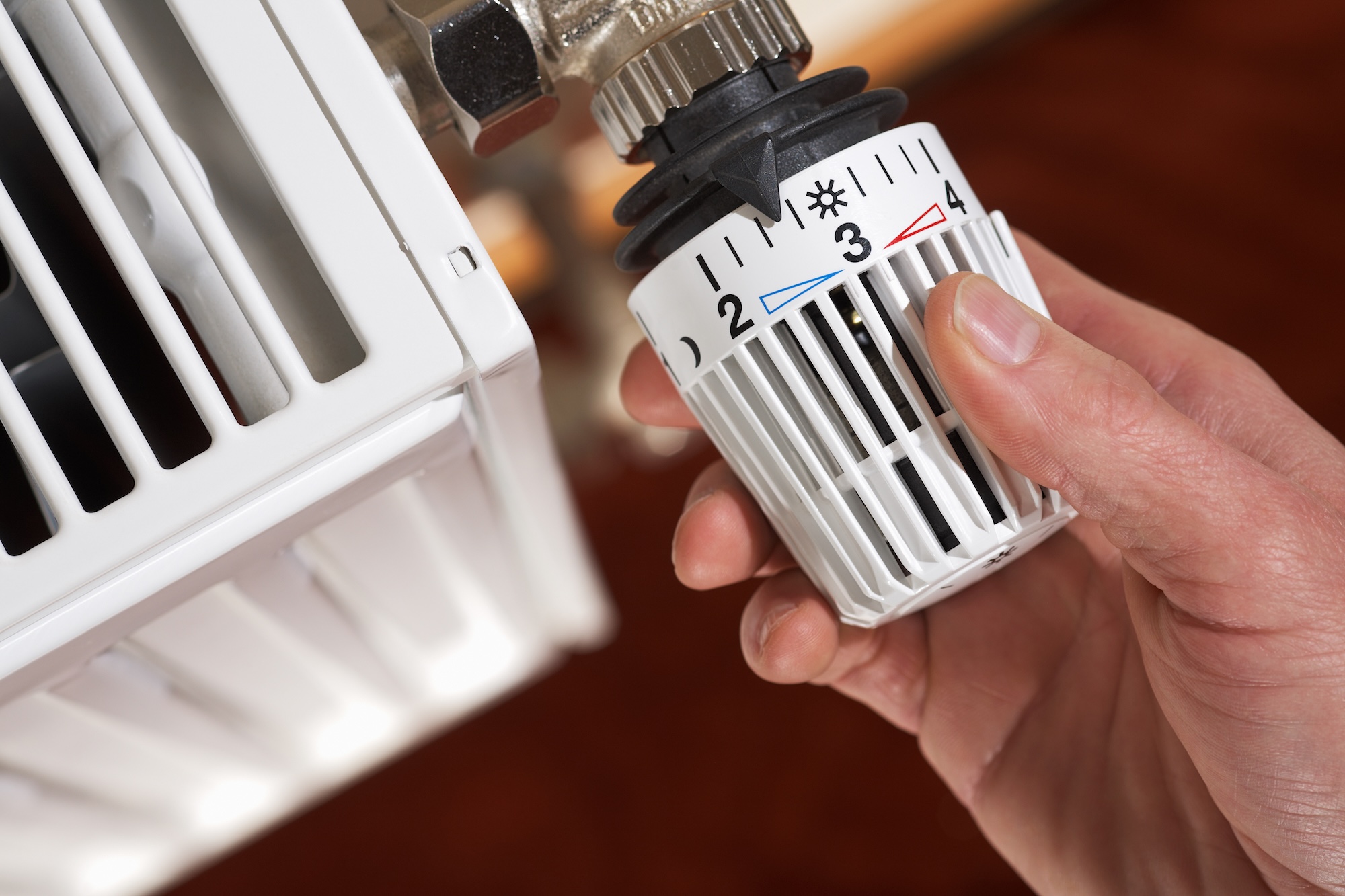
It is important not to treat that principle as a guarantee of precise room temperature or savings. For more detail on the control type, see Thermostatic Radiator Valves Explained: What They Are and Whether You Need Them. When this is the route you prefer, browse Thermostatic Radiator Valves and check the specification of each option carefully.
Checks both options still need
Your control preference does not remove the practical checks. Confirm that the valve arrangement suits the radiator and pipework. Check the valve-body pattern and pipe route, then verify the radiator connection and any stated pipe or thread details.
Also check clearance around the radiator, the product specification and whether a suitable pair is supplied. These details vary between products and installations. They must be confirmed from the relevant product information rather than assumed from the fact that a valve is manual or thermostatic.
Existing heating controls and the wider system arrangement can matter too. This guide cannot diagnose a system or prescribe settings, so verify any decision-critical point before ordering.
Choose the relevant range
Once you have decided between centrally managed or broad on/off control and finer room-by-room control, use the appropriate collection to compare products. The Manual Radiator Valves collection covers hand-adjusted options. The Thermostatic Radiator Valves collection covers temperature-responsive options.
These collections are routes to further comparison, not proof that every item is suitable. Match the product information to the valve pattern, pipe route, radiator connection, stated details and clearances you have checked.
Prepare for fitting
Choosing a control type and fitting a valve are separate jobs. Replacing or fitting a radiator valve may involve isolating, draining, refilling or commissioning part of a wet heating system. Appropriate competence is required where that work is involved. For a selection-to-fitting overview, see How To Install a Radiator Valve.
When you are ready to compare the wider choice of patterns and finishes, continue to Radiator Valves.