
In this guide
Manual radiator valves are hand-adjusted controls fitted at an individual radiator. They are often chosen where automatic control of each room is not the priority, such as homes where heating is managed centrally or rooms are treated in broad on/off terms. The valve lets you make a direct adjustment at the radiator, while the wider heating arrangement may still be controlled elsewhere.
Understanding how a manual valve works helps you decide whether that control approach is right for your project. It does not replace the practical checks needed before choosing a replacement.
What is a manual radiator valve?
A manual radiator valve is a hand-adjusted control at a radiator. You change the control yourself when you want to alter that radiator’s setting. It is a straightforward choice where automatic individual radiator or room control is not a priority.
For example, heating may be managed from a central point, such as a central thermostat, while rooms are considered in broad on/off terms. That does not mean manual valves are the only option for centrally managed heating, or that you cannot adjust them individually. It simply describes a common reason to prefer direct hand-adjusted control.
If you want a wider view of radiator-valve roles, patterns and selection checks, read Radiator Valves Explained - The Ultimate Guide.
How adjustment works in practice
With a manual valve, you make the adjustment directly at the radiator. This is different from a control that responds automatically to the air temperature around it. The practical benefit is simplicity: you decide when to change the setting rather than relying on temperature-responsive control at that radiator.
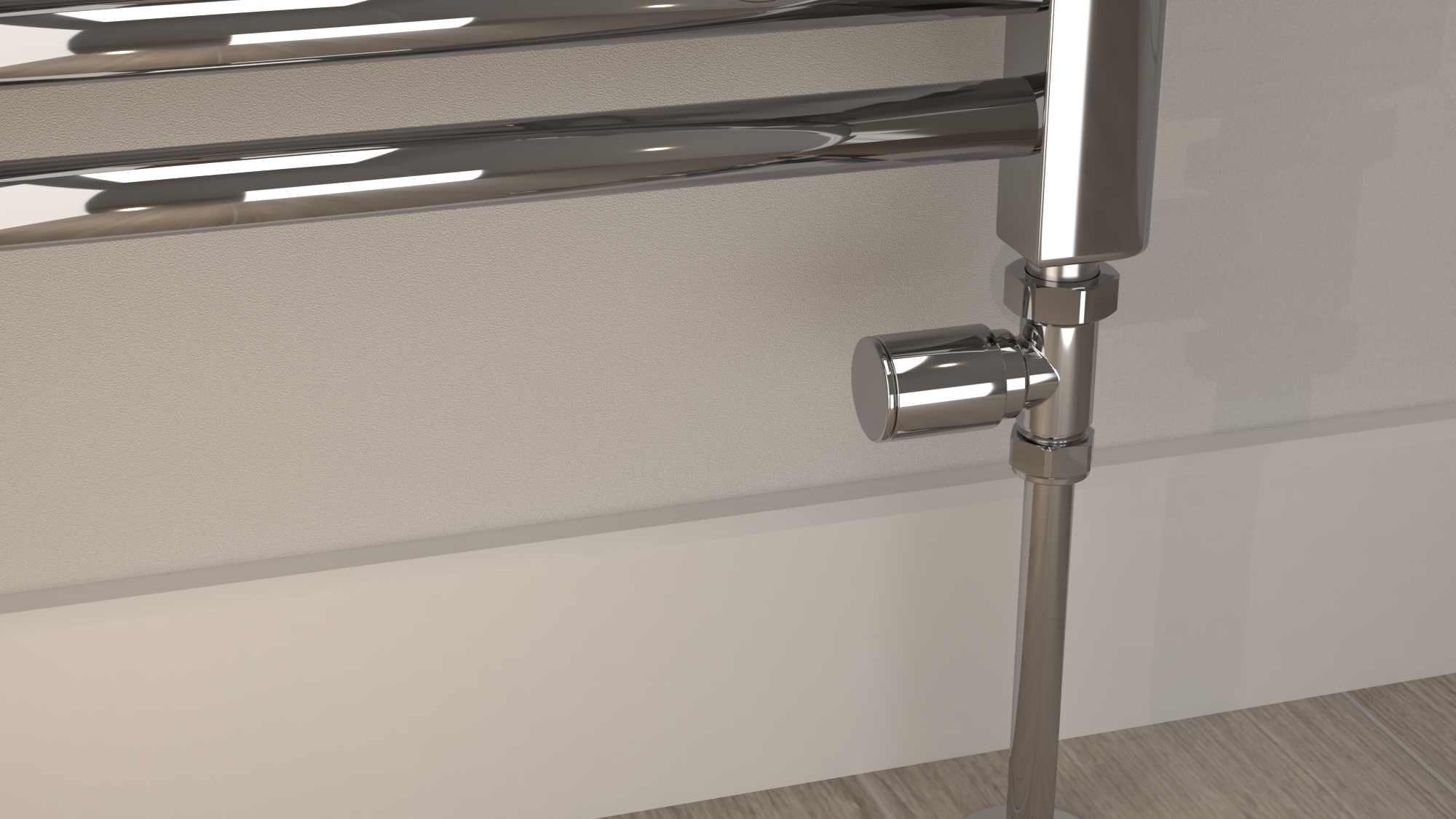
A manual valve should not be treated as a promise of a particular room temperature or system response. How a room feels can depend on the wider heating arrangement and other factors outside the valve itself. Use the manual control for the direct adjustment it provides, without assuming a specific performance result.
Manual versus thermostatic control
The key difference is how the adjustment is made. A manual valve is adjusted by hand. A thermostatic radiator valve, or TRV, responds to the air temperature around it. As the air approaches the chosen setting, the TRV is intended to reduce flow through that radiator.
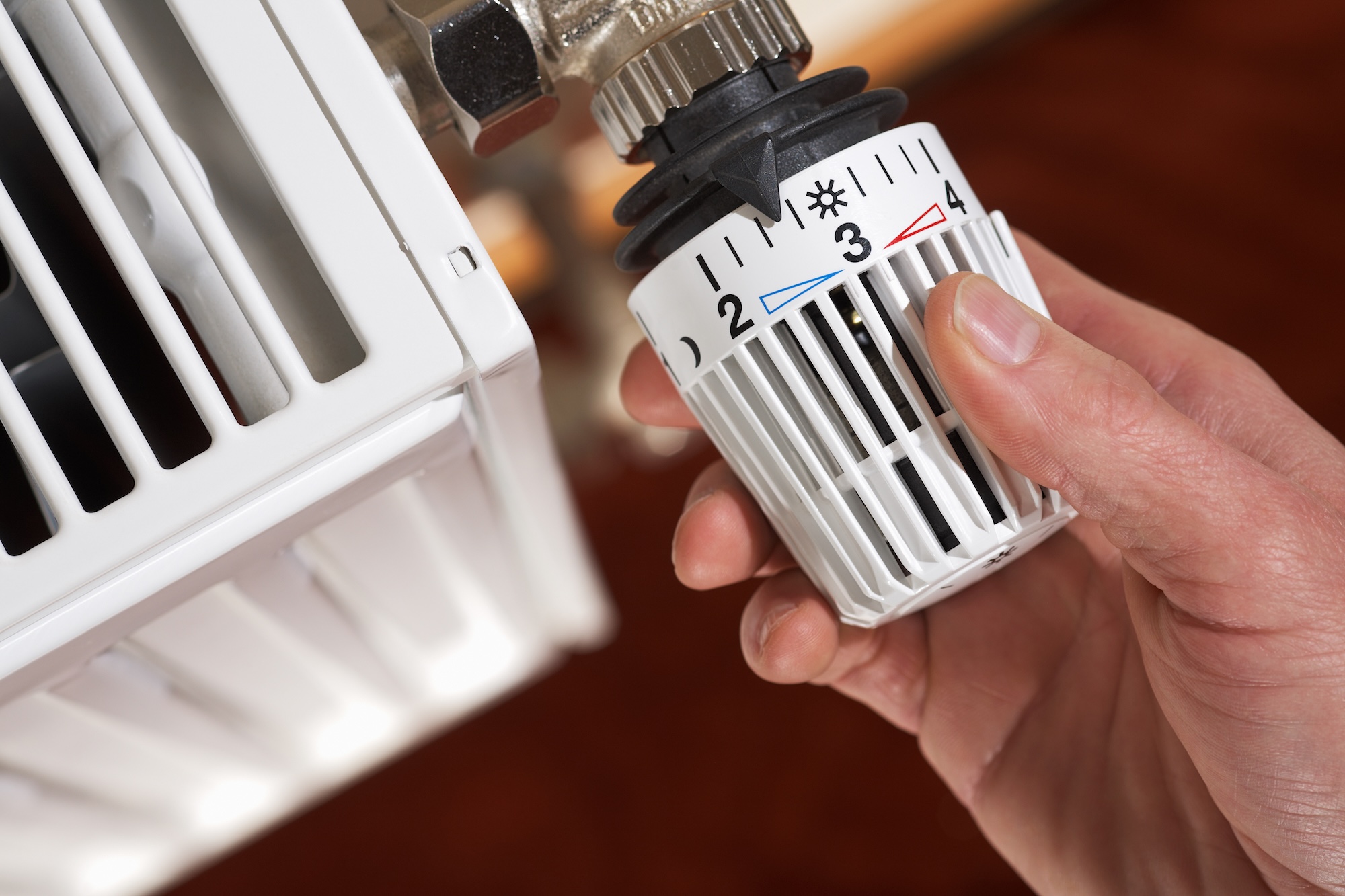
That makes a TRV a temperature-responsive option for finer room-by-room control. It does not make it universally better, nor does it guarantee a precise temperature or energy saving. If you are choosing between the two control approaches, see Manual vs Thermostatic Radiator Valves: Which Should You Choose?.
When manual control may suit
Manual control may suit a project where a central thermostat or another central control is the main way heating is managed. It can also suit homes where the practical preference is to treat rooms in broad on/off terms rather than use automatic individual temperature-responsive control at each radiator.
This is a question of control preference, not a universal recommendation. A manual valve may be the approach you want, but the valve still needs to match the radiator and pipework. When direct hand adjustment is the right route for your project, browse Manual Radiator Valves and compare the product details carefully.
Checks before replacement
Before choosing a replacement manual valve, check the valve-body pattern and pipe route. Then verify the radiator connection, any stated pipe or thread details, the clearance available around the radiator, and the product specification. Also confirm whether a suitable pair is supplied.
These are practical product checks that sit alongside the choice of manual control. They are not answered simply by choosing the same control type. If you are comparing manual and thermostatic options, the Thermostatic Radiator Valves collection is available for the alternative control route.
When fitting is involved
Choosing a valve and fitting it are separate stages. Replacing a radiator valve may involve isolating, draining, refilling or commissioning part of a wet heating system. Appropriate competence is required where that work is involved. For a selection-to-fitting overview, see How To Install a Radiator Valve.
When you are ready to compare the wider choice of patterns and finishes, continue to Radiator Valves.