
In this guide
A more satisfying shower starts with finding what is actually holding the water back. A shower that feels weak does not, by itself, prove that your home has low water pressure. The cause may be the incoming supply, the way the shower is fed, a local restriction, or the amount of water an electric unit can heat at the selected temperature.
The useful first step is diagnosis, not choosing a pump or a replacement shower. A few careful observations can help you describe the problem clearly and point a plumber or electrician towards the right checks.
Describe what the shower is doing
Start with the pattern of the problem. A sudden change suggests a different line of investigation from a shower that has always felt weak. It also matters whether only one shower is affected or whether taps and other outlets around the home have changed as well.
Record what you can observe without dismantling anything:
- Whether the shower has always been weak or changed recently.
- Whether the problem affects one outlet or several.
- Whether the shower is electric or mixes the home's hot and cold supplies.
- Whether weakness affects the hot supply, cold supply or both.
- Whether performance changes while another tap or appliance is drawing water.
- Whether you can see a leaking hose, blocked nozzles or other accessible signs of restriction.
- Whether neighbours or your water supplier have reported a wider supply issue.
These observations are useful clues, but they are not a diagnosis of concealed pipework or equipment.
Pressure and flow are not the same
Water pressure is the force that moves water through the pipework and is commonly expressed in bar. Flow rate is the volume of water delivered over time. The two are related, but they are not interchangeable.
A restricted shower head, damaged hose, pipe resistance or the shower's own operating limits can reduce the water reaching you without proving that the incoming pressure is low. Cleaning a restriction may restore flow that has been lost, but it does not raise the underlying supply pressure.
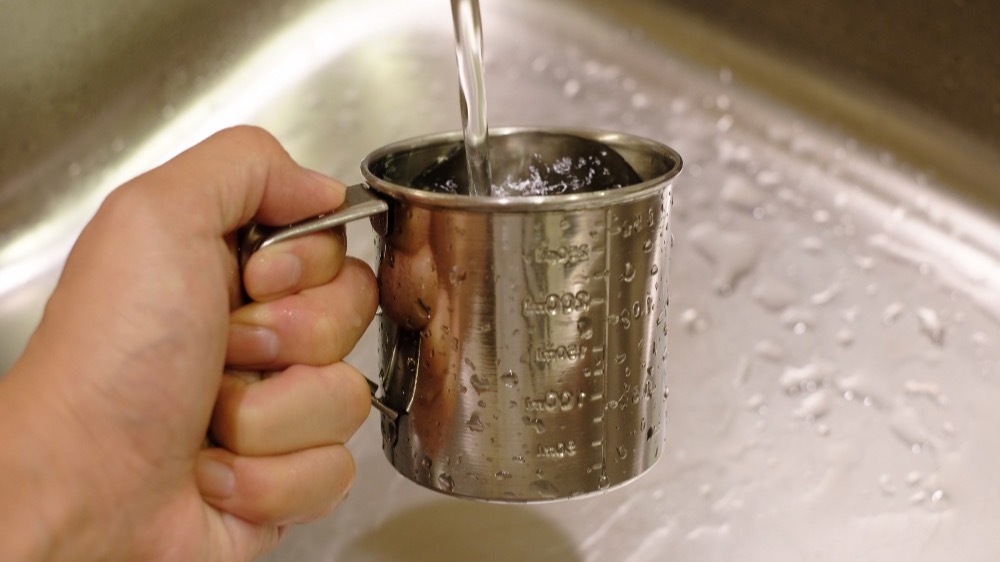
A timed measuring-jug check can help compare the volume delivered at the same accessible outlet on different occasions. Treat the result as an observation rather than a universal pass or fail figure, because the suitable flow depends on the shower, supply and intended use.
Identify how the shower is supplied
The next distinction is the home's water arrangement. Supplier conditions, the length and condition of the property pipework, local restrictions and the way hot and cold water are stored or delivered can all influence shower performance.
In a gravity-fed arrangement, stored water relies on the height difference between the water level and the outlet to create head. Limited head can contribute to weak performance, and an outlet in a negative-head position needs particular care when a remedy is selected. Do not assume a home is gravity-fed simply because a shower feels weak. Low mains supply or a local fault can create a similar symptom.
If several outlets are affected, or the pattern points beyond the shower itself, the broader guide to Understanding Why Your Water Pressure Is Low can help organise the next checks without treating every low-flow complaint as the same problem.
Rule out a local restriction safely
Before considering replacement equipment or pressure boosting, look only at accessible parts of the shower. Check for visible damage or leakage along the hose and for limescale or blocked nozzles at the shower head. If the manufacturer provides cleaning instructions, follow those instructions and use only suitable methods and products.
A local clean or hose replacement may recover flow lost through that component. It will not correct low incoming pressure, an unsuitable water arrangement or a concealed fault. A continuing leak, sudden unexplained change, suspected valve problem or uncertain cause needs competent plumbing diagnosis.
Do not open an electric shower unit, dismantle a mixer valve or alter pipework as part of these observations. Electrical-unit work, valve work and concealed plumbing checks belong with suitably competent people.
Assess an electric shower on its own terms
An electric shower uses a cold-water inlet and heats the water inside the unit on demand. The amount of water it can deliver at the selected temperature is constrained by its heating capacity. This means weak flow from an electric shower is not automatically solved by increasing supply pressure.
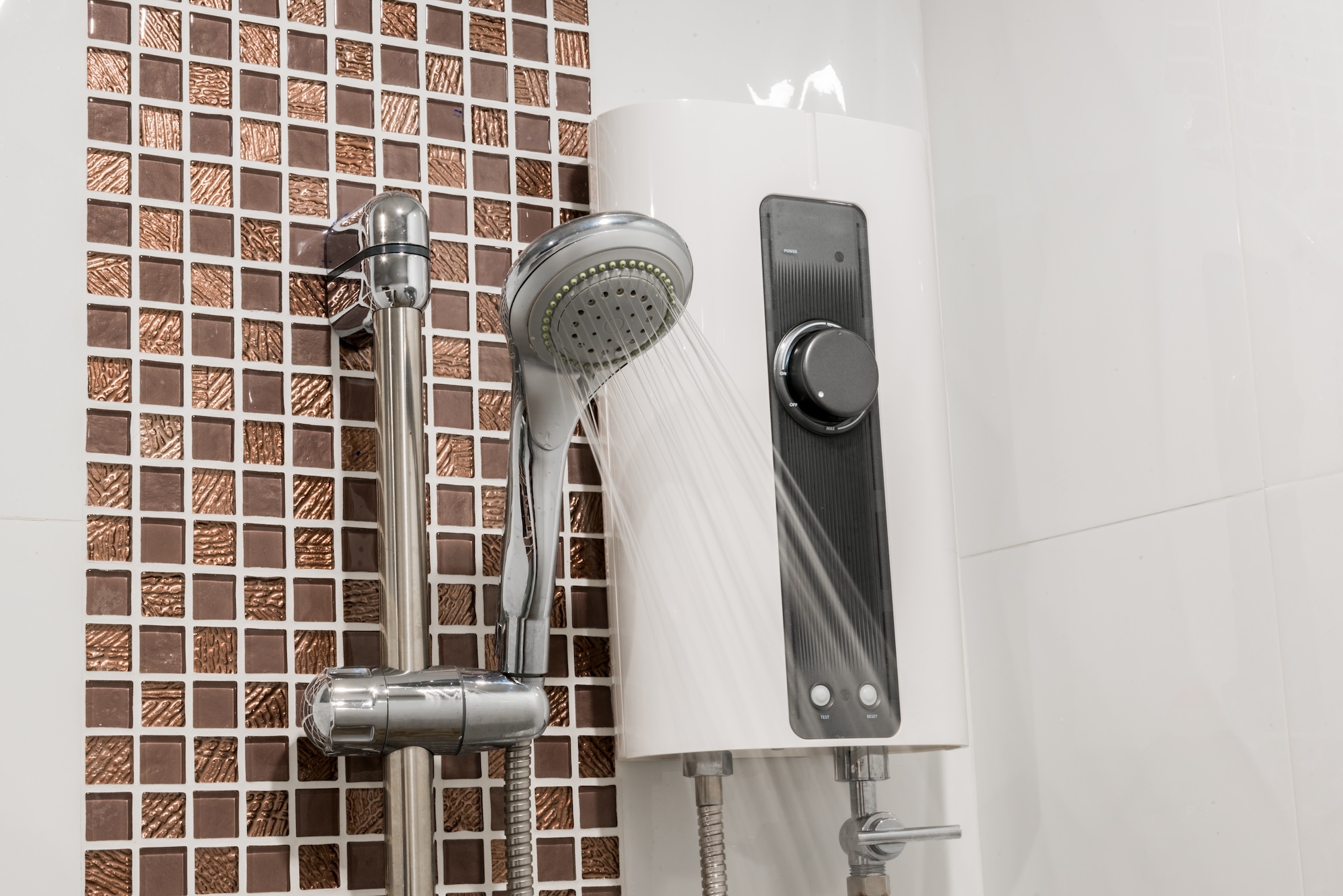
Visible hose leakage and shower-head restriction are sensible observations, but a different unit is a separate installation decision. A higher-rated replacement must suit the existing electrical circuit, cable, protective devices, incoming water supply and the manufacturer's requirements. Those checks require competent electrical and plumbing assessment before a unit is chosen.
A pump is not an automatic electric-shower remedy either. Product instructions and a competent assessment must confirm that any proposed pressure-boosting arrangement is permitted with the exact water supply and shower. For a fuller symptom-led route, see How to Improve Your Electric Shower.
Assess a mixer shower as part of the system
A mixer shower blends the home's existing hot and cold supplies. Its performance therefore depends on the supply arrangement and the usable hot and cold flow, not just the shower valve.
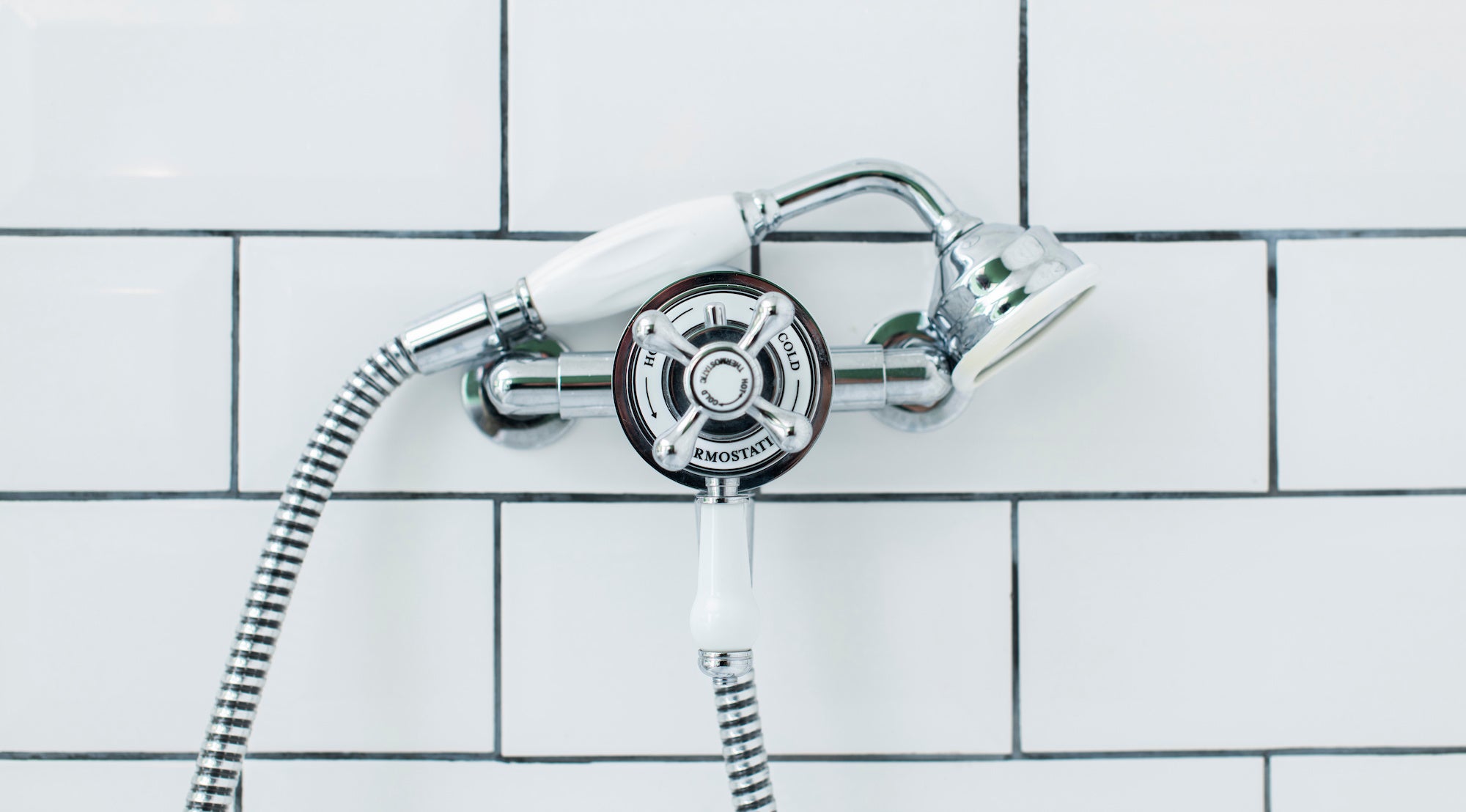
A gravity-fed arrangement with limited or negative head is one possible context. Low mains supply, restrictions, a local fault or changes elsewhere in the system can produce similar symptoms. Establish which water system is present and what is actually affected before considering a valve change, a pump or wider plumbing work.
This distinction also prevents a local maintenance issue from being mistaken for a whole-home pressure problem. If the shower was previously satisfactory and changed suddenly, describe that change clearly rather than assuming the original system design is at fault.
Consider a shower pump only after diagnosis
A shower pump can be a useful remedy for a compatible arrangement, but it is not a universal fix. The right decision depends on the water source, shower type, positive or negative head, whether hot, cold or both supplies need boosting, and whether the intended scope is one outlet or several.
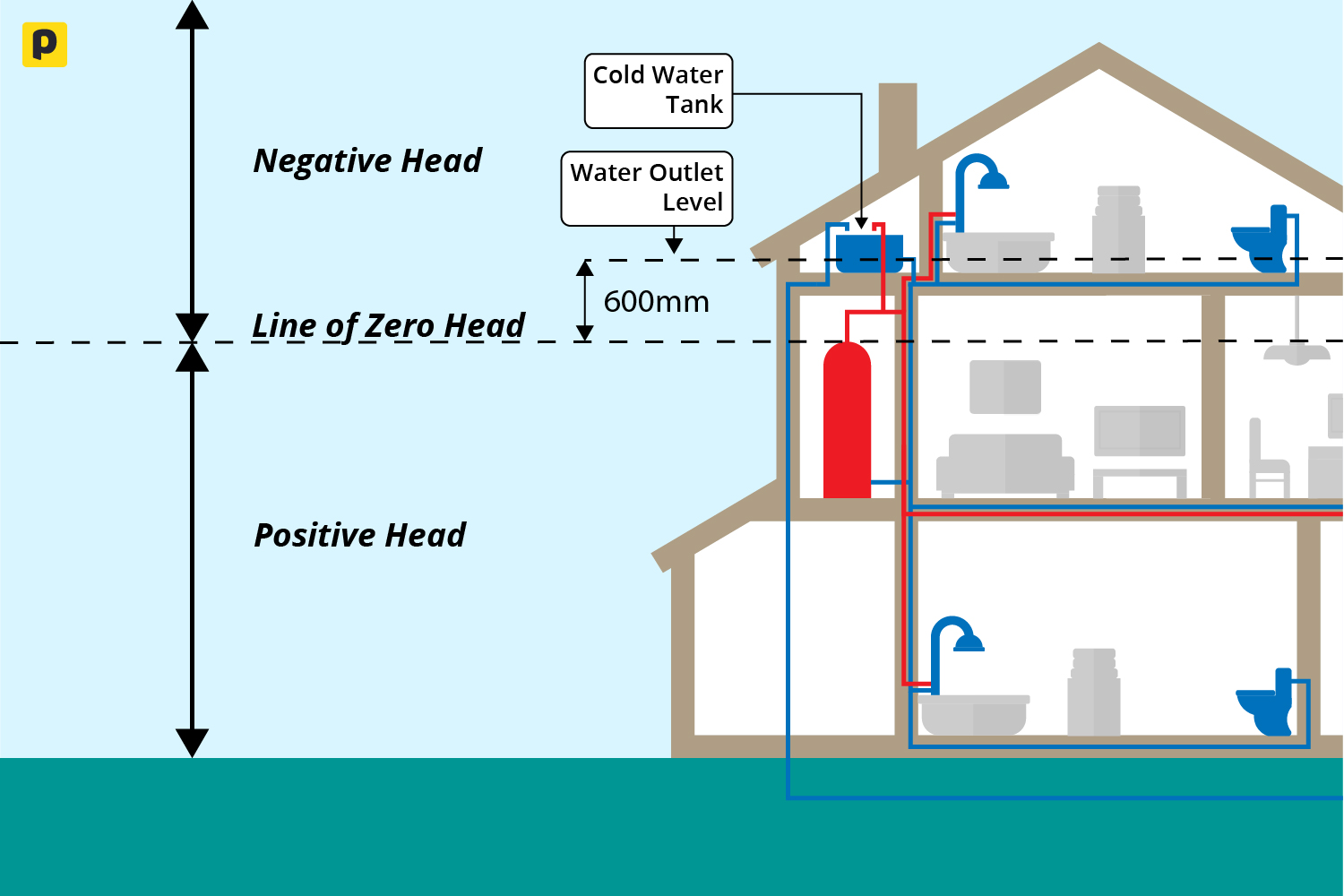
The head diagram is an illustration of a system relationship, not a pump-sizing or selection rule. The shown distance must not be used as a universal threshold. Product instructions and competent assessment must determine the actual head condition, permitted water source, pump type, installation details and required duty.
Direct-mains use and electric-shower compatibility need explicit verification. Do not choose a pump from the symptom alone or assume that a product intended for one arrangement can be transferred to another. The article Is It Worth Getting a Shower Pump? provides a useful decision route once the home's supply arrangement is known.
Use a simple decision checklist
Before buying equipment or arranging system work, bring the important facts together:
- Describe whether the weakness is sudden, longstanding, local or present at several outlets.
- Identify whether the shower is electric or mixes existing hot and cold supplies.
- Establish whether water is mains-fed or stored, and whether head position is relevant.
- Check only accessible hose and shower-head restrictions, following manufacturer instructions.
- Ask a competent person to investigate leaks, valves, concealed pipework or an uncertain cause.
- Verify the exact product, manufacturer, electrical, water-source and installation requirements before replacement or pressure boosting.
That sequence keeps the solution proportionate. A clean or component repair may restore lost flow, while a system problem may need a different response. Once compatibility and required duty are clear, you can compare the Shower Pumps collection as a practical next step.