
In this guide
Reducing wasted energy can make your home easier to run without forcing you into a costly project straight away. The useful starting point is to separate energy consumption from the bill itself, identify where your home is using energy, and make the least disruptive changes first. Tariffs, weather and occupancy all affect cost, so a lower bill does not always prove that the home used fewer units of energy.
Start with what your home is using
Look at recent gas and electricity use and compare like with like where you can. Heating demand in a cold month will not resemble demand in a mild one, and a change in the number of people at home can alter both hot-water and appliance use. Separate weather-related heating and hot water from lighting and plug-in equipment as far as your bills or meter information allow.
This gives you a sensible order of work. Correct obvious waste and review existing controls before assuming you need a new appliance or heating system. A change that is low-cost and easy to reverse can be tried and observed; insulation, system alterations and home generation need more assessment because cost, disruption and suitability vary.
Keep warmth inside without creating new problems
Heat escaping through the roof, walls, windows, doors and uncontrolled gaps increases the energy needed to maintain a comfortable temperature. Appropriate insulation, glazing improvements and draught sealing can reduce that heat loss, but the right measure depends on how the property is built and on its existing moisture and ventilation arrangements.
You can look for obvious gaps around doors and windows, but do not block required vents or cover signs of damp. Ventilation still has an important job to do. If you are considering wider fabric work, a competent assessment can help identify suitable measures without trapping moisture or simply moving a problem elsewhere.
Use heating and hot water deliberately
Review when the heating runs, which rooms need heat and whether the current temperature is comfortable rather than excessive. Schedules can avoid heating an empty home without reason, while small thermostat changes may reduce demand. Comfort, health, frost protection and damp risk still matter, so the lowest possible setting is not automatically the right choice.
Hot-water energy use depends on how much water you heat, its target temperature and the heat source. A shower is not automatically lower-energy than a bath: shower duration and flow rate can make a substantial difference to the volume of water heated. Gas-heated water, an immersion heater and an electric shower also use energy differently, so compare the arrangement you actually have instead of relying on a general price example.
Match radiator maintenance to the symptom
A radiator that does not heat as expected can indicate different issues, and each needs a different response.
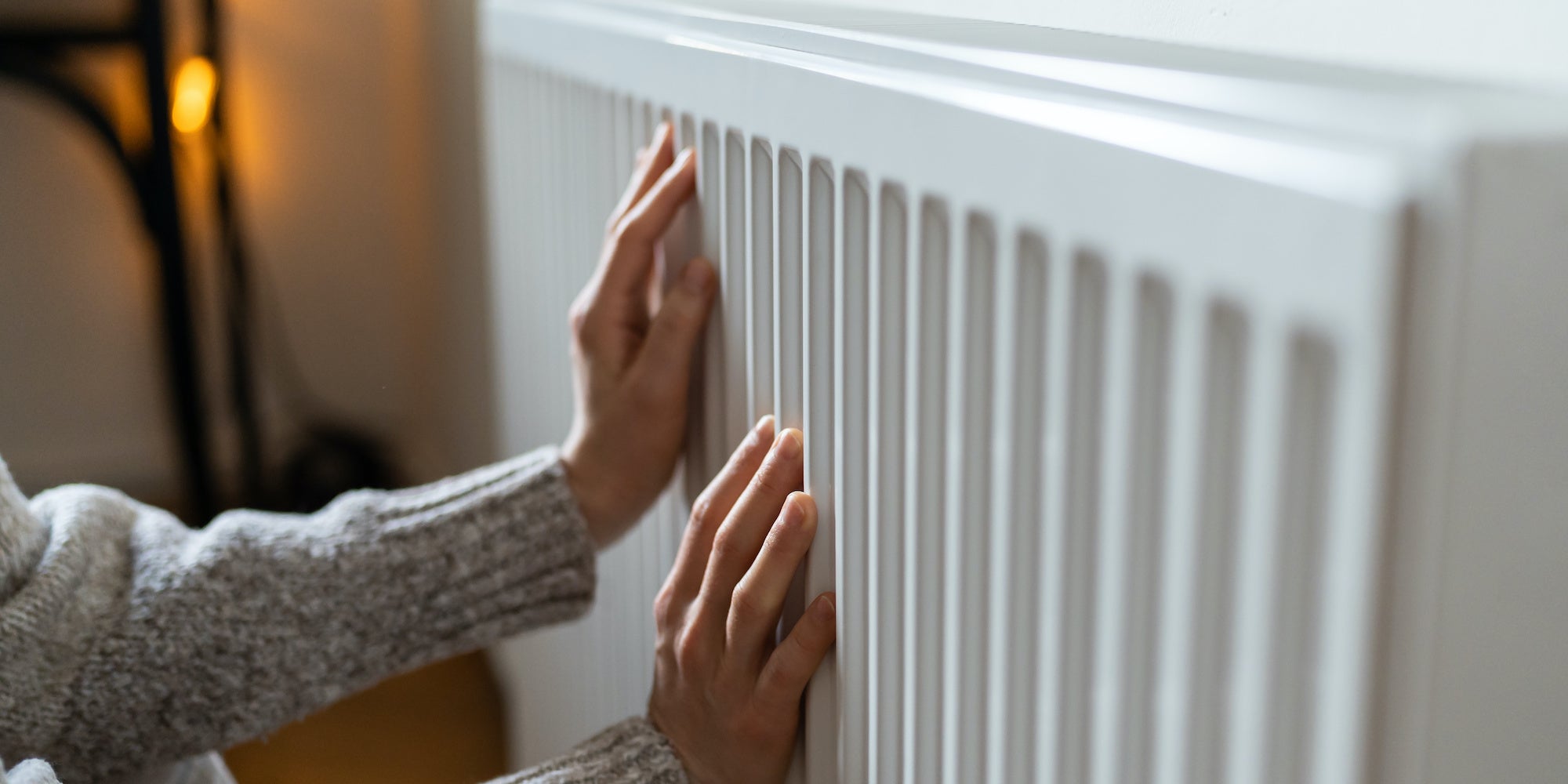
- A radiator that stays cooler at the top may contain trapped air. The How To Bleed A Radiator: A Comprehensive Guide explains the relevant checks and safe next steps.
- Radiators or rooms warming at noticeably different speeds may point to uneven flow. Balancing Radiators Explained covers how balancing differs from other maintenance.
- Restricted circulation associated with contamination or sludge needs diagnosis before any cleaning work. Radiator Flushing Explained sets out the warning signs and the distinction between flushing methods.
Bleeding, balancing and flushing are not interchangeable routines, and none should be presented as a universal energy-saving fix. When a radiator is being replaced, its required output should be based on the room’s heat loss and the heating system’s intended water temperatures. Simply choosing a larger or smaller radiator does not, by itself, establish that the system will use less energy.
Give each heating control the right job
A central thermostat, heating schedule and thermostatic radiator valves work at different levels. The central controls tell the heating system when heat is required, while a thermostatic radiator valve, or TRV, senses local air temperature and adjusts the water flow through one radiator.
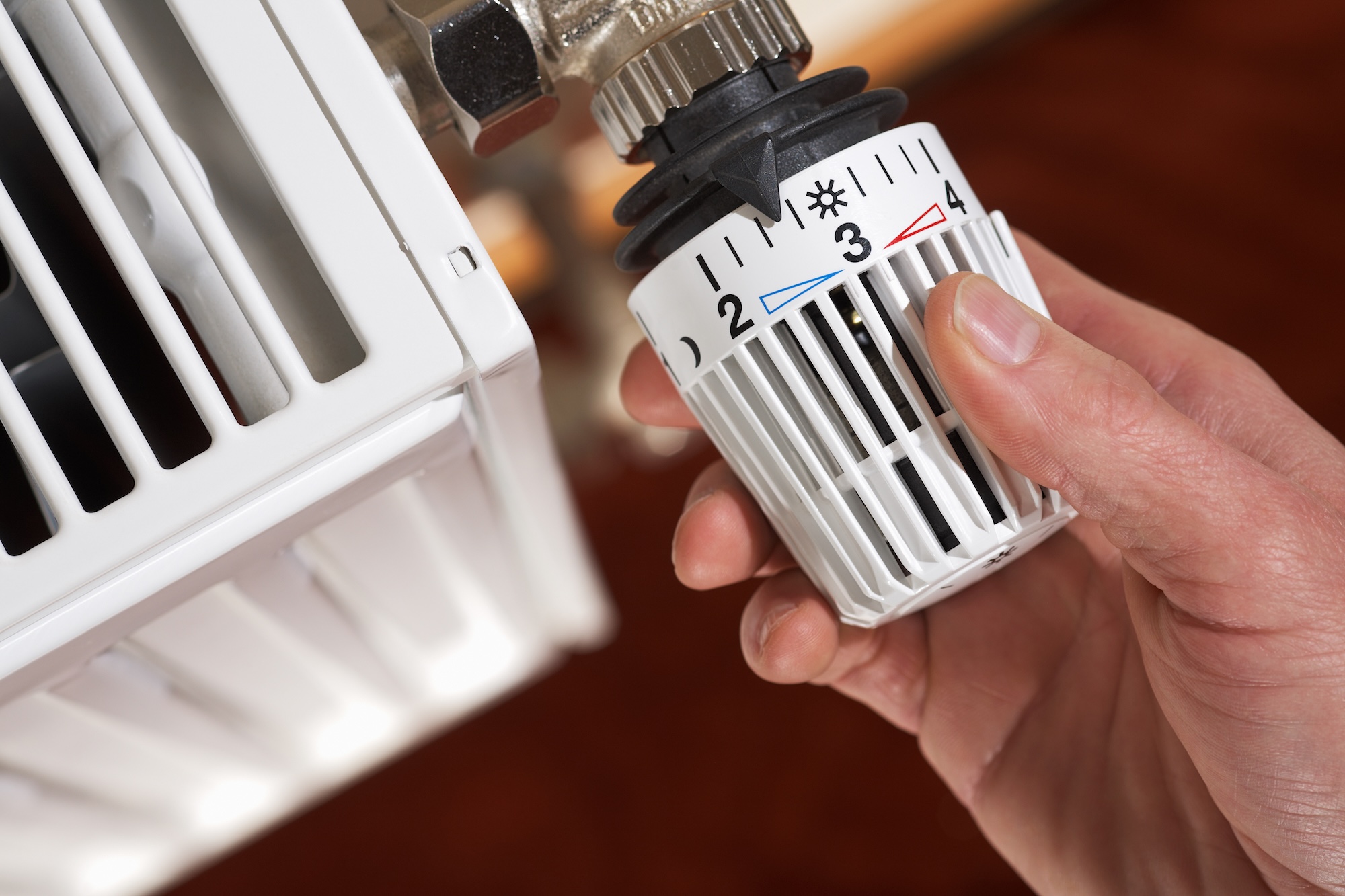
A TRV does not replace the main boiler thermostat, and its numbered positions are control settings rather than guaranteed room temperatures. Used appropriately, room controls can help limit heat where it is not needed. Smart controls can add scheduling, remote access or automated features, but their value depends on correct setup, occupancy patterns and how the household uses them.
If you need to understand valve types and their roles, see Radiator Valves Explained - The Ultimate Guide. When a TRV is suitable for the installation, you can also explore the Thermostatic Radiator Valves collection without treating a purchase as the first or only answer.
Assess a heat pump as part of the whole home
An air source heat pump uses electricity to move heat from the outside air into the home. Whether it is suitable, and how it performs in service, depends on the property’s heat loss, the required heating-water temperature, emitter capacity, controls, installation quality and energy tariffs.

Existing radiators may be suitable in some homes and inadequate in others. A room-by-room heat-loss calculation and emitter assessment are needed before that decision can be made. Some properties may also consider a hybrid arrangement, but it is not a universal solution and still needs a properly designed control strategy.
Air Source Heat Pumps and Radiators - What You Need To Know gives more context on the checks that connect heat loss, water temperature and radiator output. Do not treat a heat pump as a guaranteed route to lower bills or assume existing emitters can remain unchanged without assessment.
Reduce everyday electricity use sensibly
Switch off lights and equipment when they are not needed, while leaving safety-critical or manufacturer-required devices operating. LED lamps generally use less electricity than incandescent or halogen lamps for equivalent useful light and usually last longer. Motion or daylight controls can help where they genuinely prevent avoidable operation, but a smart device does not save energy merely by being smart.
When an appliance is already due for replacement, compare the energy label, capacity and likely pattern of use. A more efficient appliance can use less energy for the same task, but replacing a working appliance early does not automatically deliver the best financial or environmental result. The purchase cost, expected use and remaining service life all belong in the decision.
Consider home generation after reducing demand
Solar panels can reduce the electricity imported from the grid when generation coincides with household use. Output and economics depend on orientation, shading, system size, installation cost, tariffs, permissions and the arrangements for exporting surplus electricity. Those variables prevent any universal claim about income or payback.
A small wind turbine needs a suitably exposed site and the appropriate permissions. It is not a realistic default for every home. Treat solar or wind generation as a higher-cost, site-specific option to assess after avoidable demand and straightforward control issues have been addressed, rather than as guaranteed energy independence.
Build an action plan that fits your budget
A proportionate order helps keep the decision manageable:
- Understand recent gas and electricity use and note what changed between comparable periods.
- Correct obvious waste and review schedules, temperatures and existing room controls.
- Investigate signs of heat loss, damp or poor heating-system performance without guessing at the cause.
- Use competent assessment for insulation, gas, electrical or heating-system work.
- Compare major appliance, heating or generation options only when their suitability and likely use are clear.
You do not need to take every step at once or commit to an unaffordable upgrade. Choose one low-cost action you can observe, such as reviewing the heating schedule or checking which radiators warm unevenly, then use what you learn to decide whether a qualified assessment is the sensible next move.