
In this guide
A fresh coat of paint can turn a tired radiator into a smart part of the room, whether you want it to blend into the wall or stand out as a feature. For a radiator that is sound and heating properly, decorating can be a practical way to restore a chipped or discoloured finish without changing the heating system.
The important first step is deciding whether the job is genuinely cosmetic. Paint can improve appearance, but it cannot repair a leak, stop serious corrosion, correct unreliable controls or solve poor heat distribution.
Should you paint your radiator?
There are two main reasons to paint a radiator. The first is to refresh an existing finish that has become chipped, marked or discoloured. The second is to coordinate the radiator with a new colour scheme, either by helping it recede into the background or making it a deliberate part of the room design.
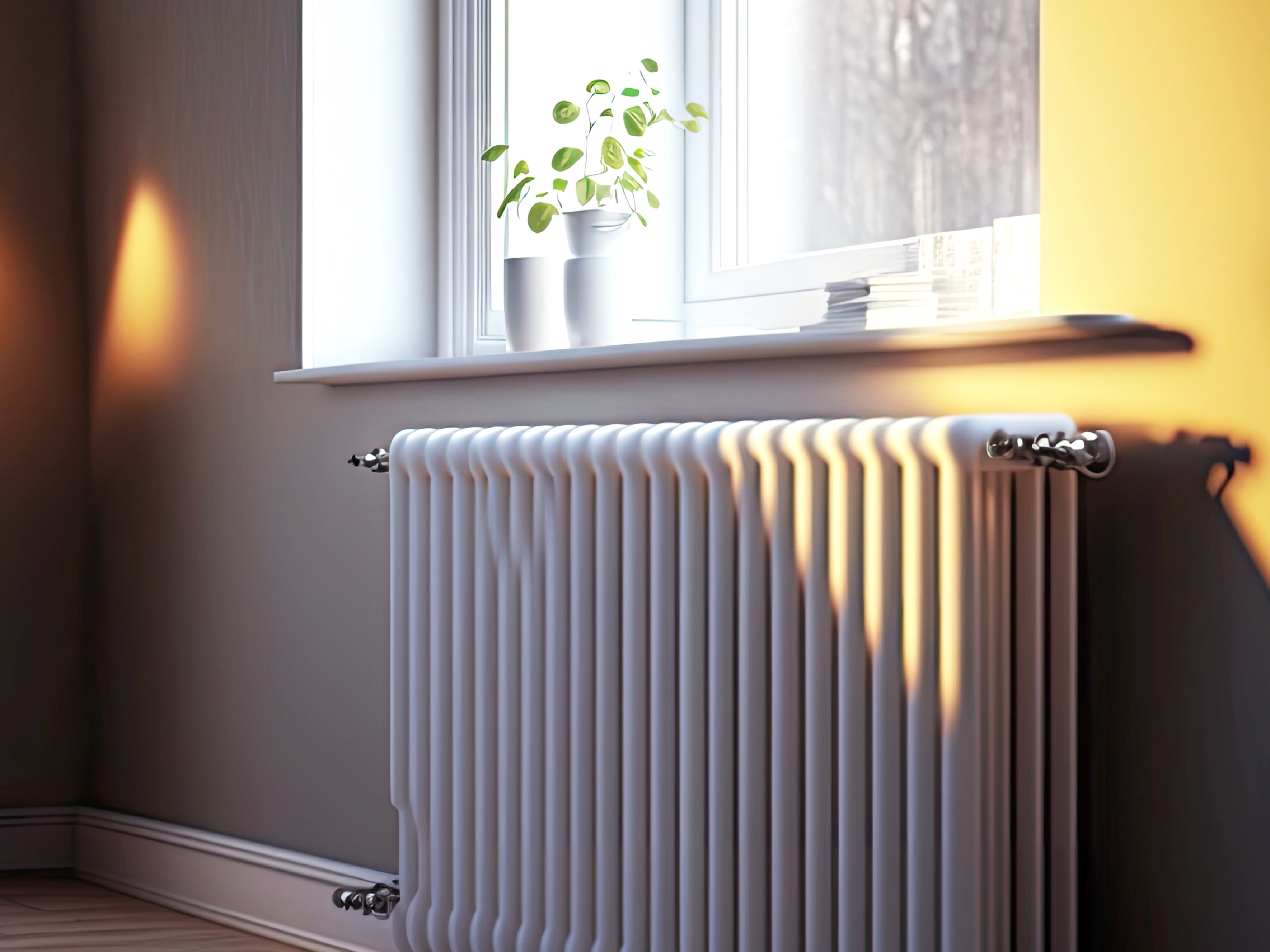
A sound radiator can usually be considered for a cosmetic refresh. If its condition or heating performance is questionable, investigate that first. Covering a problem with paint can make it harder to monitor and will not address the underlying cause.
Check the radiator before decorating
Let the radiator cool, then inspect it in good light. Look for signs that suggest more than ordinary surface wear:
- Water marks, dampness or an active leak.
- Heavy, spreading or deeply pitted corrosion.
- Damaged connections or controls that do not operate reliably.
- Persistent cold areas after ordinary system checks have been completed.
- A radiator that does not provide enough heat for the room.
Minor surface rust may be treatable as part of careful preparation, but significant corrosion or leakage needs proper assessment. If you cannot tell whether a mark is superficial or structural, ask a competent heating professional before decorating.
Prepare the area safely
Switch the heating off and wait until the radiator is completely cool. Painting a warm surface can make a coating dry unevenly, while a hot radiator can make the job unsafe and increase fumes from some products.
- Protect the room. Cover the floor and nearby furniture, and protect the wall where necessary.
- Ventilate properly. Follow the coating manufacturer's ventilation and personal-protection instructions, particularly when using aerosol or solvent-based products.
- Protect working parts. Keep paint away from thermostatic heads, manual valves, bleed points, vents, unions, pipework controls and manufacturer labels.
- Plan access. Work only where you can prepare and coat the surface safely without altering the heating system.
If the radiator needs to be disconnected or removed for access or professional refinishing, arrange for a competent person to handle the plumbing work.
Prepare the surface
A durable finish depends far more on preparation than on applying a heavy coat of paint. Start by cleaning and degreasing the radiator thoroughly, then allow it to dry. Dust, grease and household polish can all interfere with adhesion.
Remove loose or flaking paint and deal with surface rust using a method suitable for the radiator material and the coating system you intend to use. Sound glossy paint may need to be lightly keyed, but a radiator does not automatically need to be stripped to bare metal. If the age or composition of an existing coating is uncertain, avoid creating dust until you have established an appropriate safe method.
Remove preparation dust carefully before priming or painting. Bare metal and treated rust may require a compatible primer, depending on the selected paint system. Check the manufacturer's instructions rather than assuming that one primer suits every radiator and existing finish.
Choose a suitable finish
Use a primer and topcoat whose manufacturer confirms they are suitable for the radiator material, the existing coating and the temperatures involved. The right application method depends on the finish you want, the access available and whether the radiator can remain in place.
Brush-on radiator paint
Brush application gives you good control and can be easier to contain in a finished room. Careful application is needed around edges and between accessible sections, and brush marks can remain visible if the coating is applied too heavily or worked after it starts to set.
Radiator-suitable aerosol paint
An aerosol can produce a smooth, even appearance, but overspray requires extensive masking and disciplined ventilation. Follow the product's distance, ventilation, protective-equipment and recoating instructions. Do not spray working parts, controls or nearby surfaces.
Professional powder coating
Professional powder coating can provide a smooth, durable finish and a broad choice of colours. It will normally involve radiator removal and specialist handling, so compare the complete quoted cost with other refinishing options and with a suitable replacement. Powder coating is a finish choice, not a heating-efficiency upgrade.
Apply primer and paint carefully
Once the surface is clean, dry and properly prepared, work methodically:
- Mask or avoid valves, thermostatic heads, bleed points, vents, unions, controls and labels.
- Apply compatible primer where the paint system or exposed substrate requires it.
- Apply the finish in thin, even coats, following the stated coverage and recoating instructions.
- Allow each coat to dry for the specified time. Lightly abrade between coats only when the manufacturer directs it.
- Inspect for missed areas, runs or contamination before applying another coat.
There is no universal number of coats. Product systems, colours, substrates and existing finishes differ. Applying too much paint at once encourages runs, uneven drying and a soft or poorly cured finish.
Let the finish cure fully
Touch-dry does not necessarily mean fully cured. Keep the radiator switched off for the complete drying and curing period stated by the coating manufacturer. Remove masking carefully, check that controls and openings remain clear, and inspect the finish before returning the heating to service.
Follow any instructions for the first heating cycle. If the coating softens, lifts, blisters or reacts unexpectedly, switch the radiator off and review the product guidance before continuing. Repainting is an appearance improvement, not an energy-efficiency measure.
Does Painting a Radiator Affect Its BTU Output?
When suitable non-metallic radiator paint is applied in normal, thin coats, painting a radiator can cause a very small change in its heat output. The difference is typically a few per cent at most and is not significant enough to alter its rated BTU in any meaningful way.
The manufacturer's published BTU rating remains the reference rating after decorating; it is not recalculated because the colour has changed. Actual heat output in a room will still vary with factors such as water temperature, room conditions, installation and airflow.
Metallic finishes need separate consideration because their surface properties can affect radiant heat transfer differently. Excessive paint build-up and anything that restricts airflow can also have a larger effect than a normal decorative coat. If heat output is important to radiator sizing, use the manufacturer's published rating and appropriate system conditions rather than treating paint as a way to increase performance.
When replacement makes more sense
Repainting is not always the proportionate answer. Replacement deserves consideration when the radiator has an active leak, significant corrosion, recurring faults, unresolved cold areas, unsuitable output or dimensions, or a style that no longer suits the room.
For a fuller look at those warning signs and the next checks to make, see When should you replace radiators?
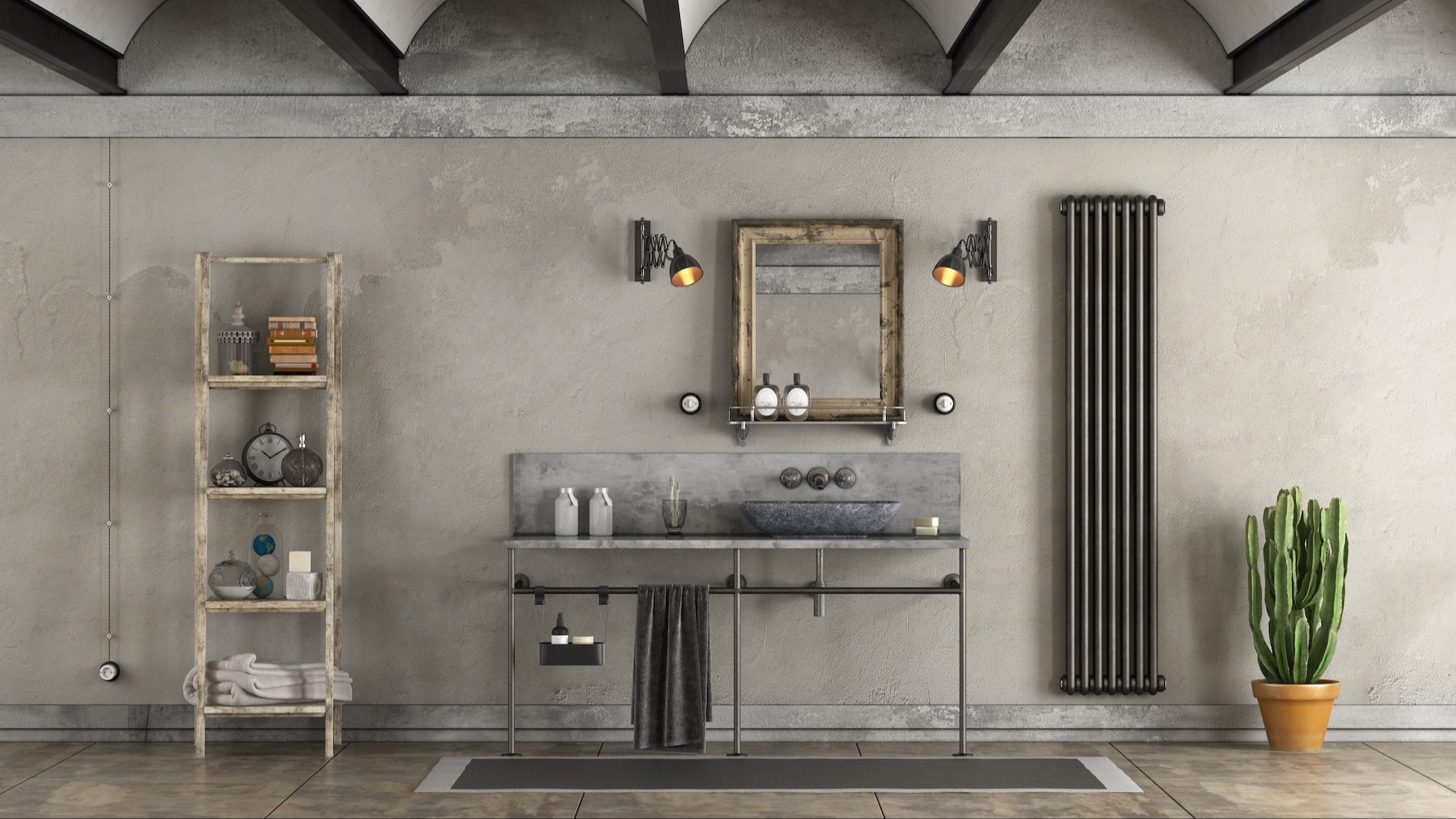
Professional refinishing can involve removal, transport, preparation, coating and refitting. Compare complete, current quotes with the cost of a suitable new radiator, including any valves, labour or system alterations required. This gives you a fair like-for-like decision rather than relying on a fixed headline price.
A new radiator may also be the clearer choice when you need a different size, orientation, output or style. Contemporary ranges include both modern designs and traditional-looking options, but selection should still be based on the room's heat requirement and the heating system.
If replacement is the sensible next step, explore PlumbHQ's Heating collection to compare the available directions for your project.