
In this guide
Choosing between gas and electric heating becomes much clearer once you separate the different systems and look at the home they need to heat. A gas boiler, a plug-in or fixed electric heater, a storage heater and a heat pump do not turn purchased energy into warmth in the same way. Their running costs, controls and installation needs cannot be judged by the fuel name alone.
The useful starting point is your project. Heating one new room is a different decision from replacing a whole-home boiler and hot-water system. Existing pipework, radiators, electrical capacity, heat loss and the way your household uses heating can all change which options are practical.
Gas and electric heating are not single technologies
A gas boiler burns fuel to heat water, which normally circulates through a wet radiator system. Depending on the boiler and installation, it may also provide domestic hot water. The system needs a gas supply, suitable flue arrangements, water-filled pipework, emitters and controls.
Electric heating covers several distinct approaches:
- Direct-resistance radiators, panel heaters and similar appliances turn purchased electricity into heat at the appliance.
- Storage heaters use electricity during scheduled charging periods, store heat and release it later. Their cost and usefulness depend on the tariff, controls and household routine.
- Electric boilers use electricity to heat water for a wet system. They should not be confused with individual electric radiators.
- Heat pumps use electricity to move heat from the air or ground. Air-to-water heat pumps feed a wet heating circuit, while air-to-air systems deliver warmed air directly to rooms; their infrastructure, emitters and domestic-hot-water arrangements differ. This is fundamentally different from producing heat through electrical resistance.
This distinction matters because point-of-use conversion alone does not tell you the bill cost or whole-system performance. For a closer look at the emitter choice, see Electric vs Traditional Radiators: Which is better?
Compare the cost of useful heat
An energy tariff states the price of an input unit. Your home, however, needs useful heat in its rooms and hot water at the taps. A sound comparison follows the purchased energy through the complete system.
At the appliance, direct resistance produces roughly one unit of heat for each unit of electricity used. A gas boiler loses some input through combustion and flue operation. A heat pump can deliver more useful heat than its electrical input because it transfers ambient heat rather than relying on resistance alone. Those facts still do not create a universal cheapest option.
For a meaningful household comparison, gather:
- your current gas and electricity unit rates, standing charges and tariff periods;
- annual space-heating and hot-water demand, using actual bills where they are representative;
- the seasonal performance expected from the complete proposed system;
- how controls and time-of-use operation fit the household routine;
- maintenance costs, likely system life and the scope of installation work;
- the effect of keeping or removing a gas connection and its standing charge.
Ask installers to state their assumptions in comparable written proposals. A low input price does not help if the system is poorly controlled, while an efficient appliance does not automatically overcome a high tariff, unsuitable emitters or excessive heat loss.
Match the option to the property
Before comparing quotations, define whether you need a whole-home replacement, extra heat in one room, or a new arrangement for both heating and hot water. A direct electric heater may meet a local requirement without recreating a wet system, but that does not establish that direct electric is the right whole-home choice. Equally, an existing gas connection and serviceable wet system can materially affect the work involved in changing technology.
A property assessment should cover:
- room-by-room heat loss and any sensible fabric improvements;
- existing gas supply, boiler, pipework, radiators and controls;
- electrical supply capacity, consumer equipment and proposed circuits;
- space for internal equipment, a hot-water cylinder where required and any outdoor unit;
- equipment siting, noise and any relevant planning constraints;
- the disruption involved in changing pipework, emitters, wiring or hot-water storage;
- when and where the household actually needs warmth.
These checks narrow the viable systems. They also help prevent an attractive appliance claim from being mistaken for a complete design.
Heat pumps and existing radiators
An air-to-water heat pump can supply a wet radiator circuit, so changing from a boiler does not always mean abandoning radiators. Compatibility must still be established by design, not assumed from the fact that both systems use water.
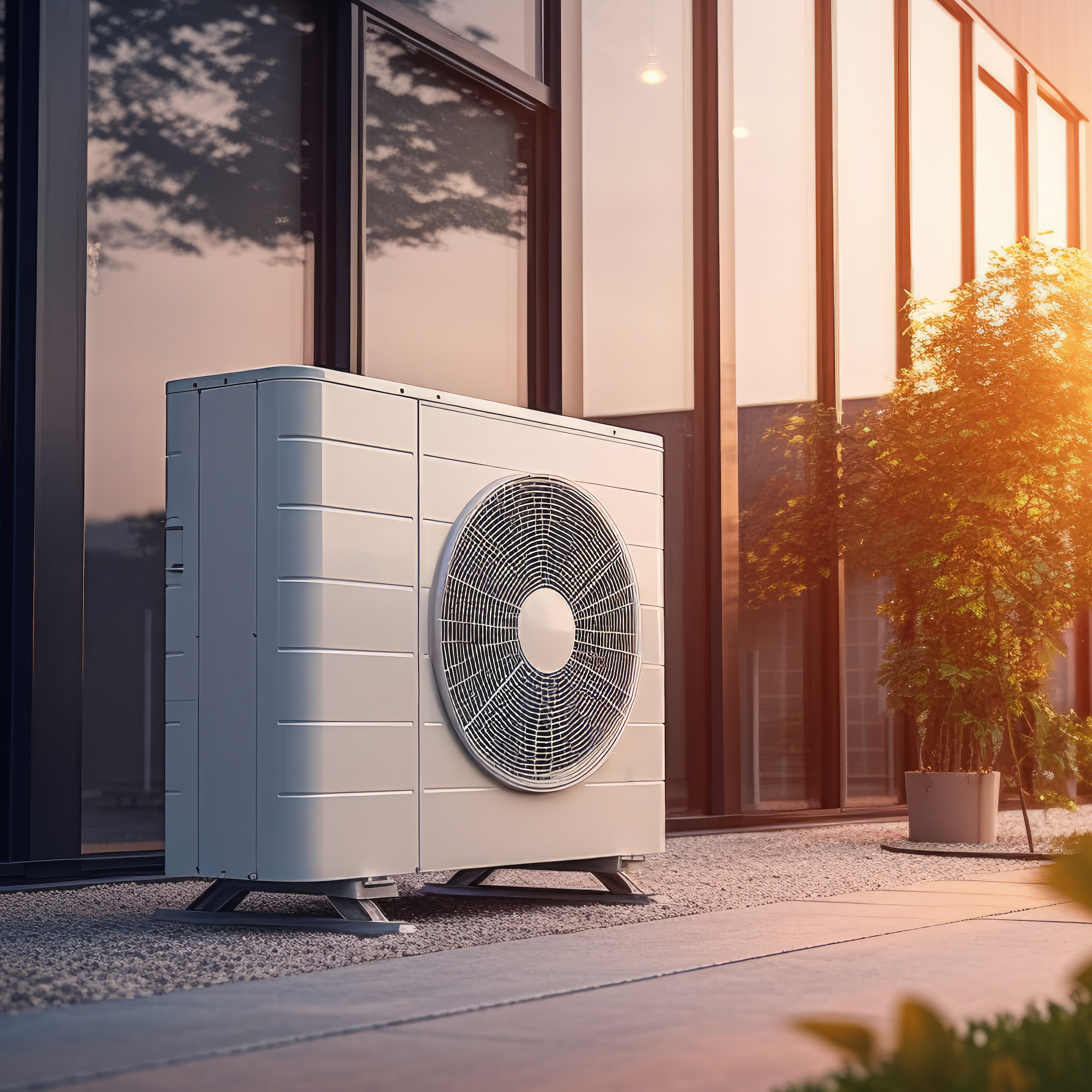
Heat-pump performance generally improves when the heating-water flow temperature is lower. At the same time, a radiator gives out less heat when supplied with cooler water. A competent design therefore needs room-by-room heat-loss calculations, proposed design temperatures, emitter output checks, pipework and hydraulic checks, suitable controls and proper commissioning.
Some rooms may need larger or higher-output emitters; others may already have sufficient capacity. An old radiator label or the output of the previous boiler does not settle that question. Read Air Source Heat Pumps and Radiators - What You Need To Know for a focused guide to the assessment.
Comfort, controls and hot water
Comfort depends on more than how quickly an appliance feels warm. Building fabric, emitter size, control settings and the heating schedule all affect room temperature and energy use.
Direct electric heaters can give separate control in individual rooms. Storage heating depends on when energy is charged, how much heat is stored and when it is released. A gas boiler distributes heat through a wet system. A well-designed heat pump commonly operates more steadily and at lower flow temperatures than a traditional boiler arrangement. None of these descriptions guarantees a particular warm-up time or comfort result in every home.
Domestic hot water needs a separate check. Some space-heating products do not heat water at all. Other systems may require a cylinder or a different storage and control arrangement. Record the household's hot-water pattern, available space and existing equipment before comparing complete proposals.
Carbon claims need a clear boundary
Gas combustion produces carbon dioxide at the home. Direct electric heating and heat pumps do not burn fuel at the point of use, so they avoid onsite combustion emissions. That useful distinction does not make every electric system zero-carbon or automatically the greener choice in every comparison.
Operational impact also depends on the electricity supply and the performance of the installed system. A wider lifecycle comparison can include equipment manufacture and other factors beyond household energy use. Keep these boundaries clear rather than turning a point-of-use statement into a total environmental claim.
Energy policy, grants and installation requirements can also change and can differ by location and eligibility. Check current official terms when they affect a live project instead of relying on an undated headline.
Keep installation and maintenance safe
Gas work must be carried out by a Gas Safe registered engineer who is competent for the relevant category of work. Regular maintenance of gas appliances, flues and pipework is an important safety measure. A carbon-monoxide alarm is a useful precaution, but it does not replace proper maintenance and safety checks.
If you suspect unsafe gas operation or carbon monoxide, do not troubleshoot the appliance. Follow official emergency guidance. Fixed electrical work, new circuits and supply-capacity changes also need competent assessment, while heat-pump, refrigerant, hydraulic and commissioning work belongs with appropriately qualified installers.
Owner-occupier maintenance advice and a landlord's legal gas-safety duties are not the same thing. If you are responsible for rented property, check the current requirements that apply to your role and location.
Build a like-for-like shortlist
A practical decision does not need a universal winner. It needs a clear description of your home and comparable proposals that meet the same requirement.
- Gather recent bills, tariff details and standing charges.
- List the rooms to be heated and the household's hot-water needs.
- Commission room-by-room heat-loss calculations and a system survey.
- Ask each installer to describe the heat source, emitters, controls, hot-water arrangement, electrical or gas work and commissioning included.
- Compare capital cost, expected seasonal operation, maintenance and disruption using the same assumptions.
- Verify installer credentials and product suitability before work begins.
Once the system route is clear, explore PlumbHQ's Heating range as a practical next step for the relevant parts of your project.