
In this guide
The most efficient radiator is not simply the newest, largest or quickest to warm up. A good choice delivers the output the room needs at the temperatures the heating system will actually use, responds sensibly to the way you use the space and works with suitable controls. Look at those factors together and you can make a far more useful comparison than a simple league table of radiator types.
Define efficiency before ranking radiators
Radiator efficiency is often used to describe several different things. Heat output is the rate at which an emitter delivers heat. Thermal response describes how quickly it warms and cools. Controllability is how well you can regulate heat for the room. Running cost and whole-system energy performance depend on much more than the radiator itself.
A radiator is one part of a heating arrangement, not a fuel source in its own right. The practical test is whether its verified output meets the room’s heat loss at the intended operating conditions, without making the space difficult to control. The heat source, distribution system, controls, building fabric and how you use the room all affect the wider result.
That is why no material or format can be named as universally the most efficient. A product that suits one room and system may be a poor fit for another.
Start with heat loss and output
Begin with the room’s design heat loss. This is the rate at which heat is expected to escape when the chosen indoor and outdoor design conditions apply. A useful assessment considers the room’s length, width and height, desired temperature, insulation, glazing, external surfaces, exposure and ventilation or uncontrolled air leakage.
A simple online calculator can provide an estimate for early comparison, but it cannot guarantee the final requirement. A competent heating professional or system designer should confirm design-critical figures, particularly when changing the heat source or planning lower water temperatures.
Once you have the requirement, compare declared radiator outputs on the same basis. Wet-radiator figures are commonly shown in watts or BTU per hour at a stated Delta T, the rating condition based on water and room temperatures. Compare models at the same Delta T or use the manufacturer’s conversion data for the intended flow and return temperatures. Electric emitters should be compared by declared wattage and their exact control and installation requirements.
The radiator sizing guide takes you through the wider shortlist, while the BTU and Delta rating guide explains like-for-like wet-radiator output comparisons.
A radiator that is too small may not deliver the required output at the intended conditions. A larger nominal output does not automatically prove wasted energy, however. Water temperature, controls and system operation determine how the installed radiator is used.
Compare wet and electric systems
A direct electric resistance radiator converts its electrical input to heat at the emitter. That is useful to understand, but it does not prove lower bills, lower carbon impact or better whole-home efficiency than a wet system. Energy prices, the way electricity is supplied, room usage and the selected controls all affect the wider decision.
A wet radiator receives heated water from a boiler, heat pump or another compatible heat source. Its performance depends on the source, distribution losses, water temperatures, system balance, controls and condition. A well-chosen emitter still needs enough output at the system’s intended operating temperatures.
Neither route is universally cheaper or more efficient. Existing infrastructure, the number and pattern of rooms being heated, available controls and installation scope all matter. The electric versus traditional radiator guide covers that system-level comparison.
Lower-temperature wet systems need particular care because a radiator produces less heat as the temperature difference reduces. Check the proposed output rather than relying on a higher-temperature catalogue figure. The heat pumps and radiators guide explains the room-by-room assessment this arrangement needs.
Compare radiator designs and materials
Panel radiators with fins or convector panels can provide more heat-transfer surface area and a higher rated output within a comparable range. That may help fit the required output into a smaller area of wall. It does not mean that fins automatically reduce energy use, and dimensions alone do not establish which product will perform best.
Material and construction also influence thermal response. Aluminium designs often warm and cool more quickly than high-mass cast-iron designs. Greater thermal mass can release heat for longer after the input falls. These are different response characteristics, not proof that one material consumes less energy in every room.
Think about how the room is used. A quicker response may suit a space heated for shorter periods, while a slower response may be acceptable where heating is steadier. Then compare the exact product’s output, dimensions, projection, weight, connection requirements and response characteristics. Do not infer them from material or style alone.
Horizontal panels, columns, vertical radiators and towel radiators can all be suitable when their verified output and installation requirements fit the job. Format is primarily a way to use the available space and achieve the required result.
Use controls to avoid unwanted heating
Controls help prevent a suitable radiator from delivering heat when the room does not need it. They do not increase the radiator’s maximum output and cannot correct poor sizing.
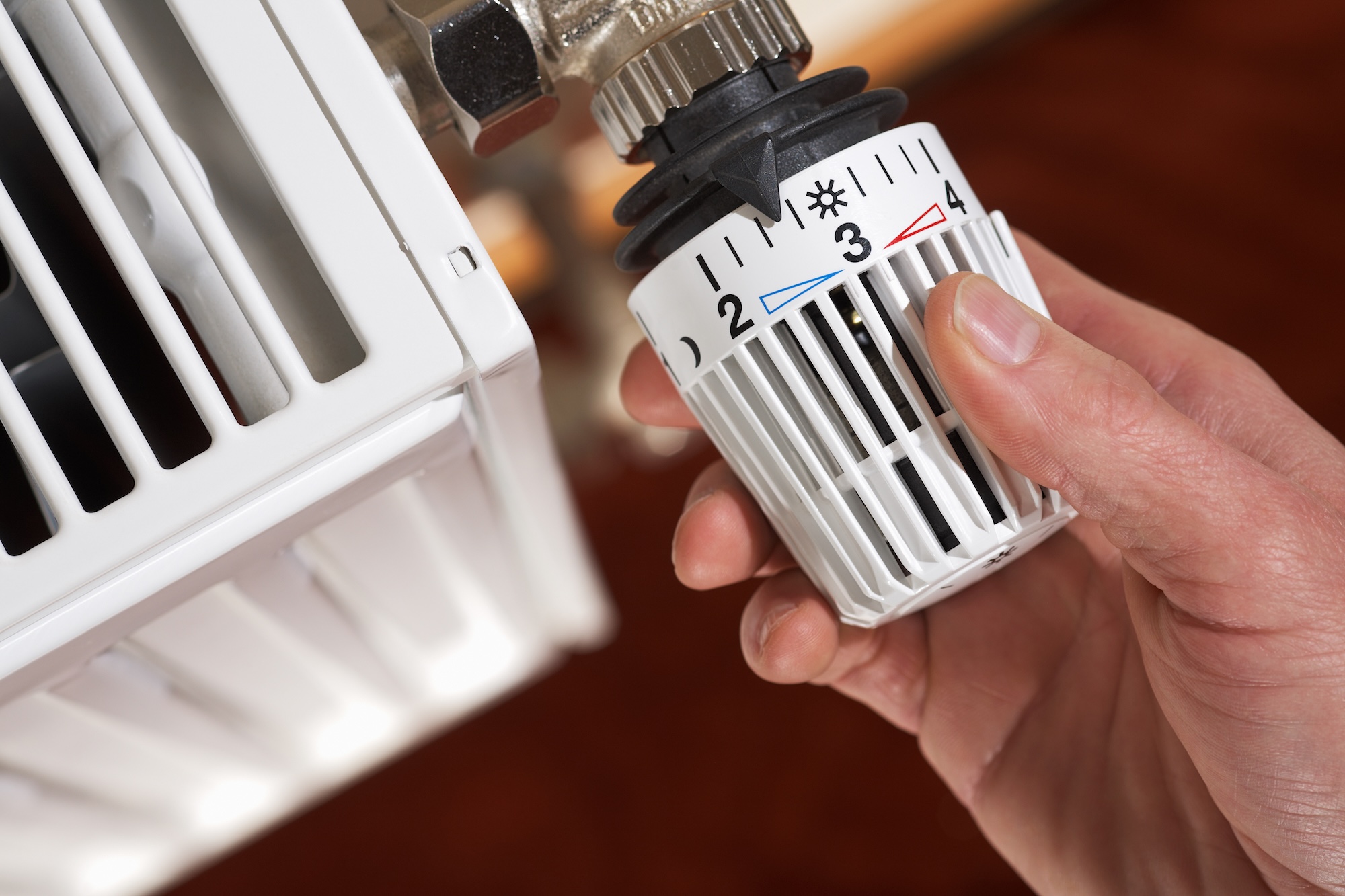
A manual radiator valve changes water flow directly. A thermostatic radiator valve, or TRV, responds to the local temperature and regulates flow through an individual wet radiator. Programmable room controls can schedule heating more widely. Product-specific smart controls may add remote access, schedules, learning or occupancy functions, but those features vary and should be checked on the exact product.
Controls may reduce unwanted heating when they are compatible, positioned correctly and used well, but they cannot guarantee a saving. Valve pattern, connection size, pipe direction and control positioning must suit the radiator and installation. The radiator valve guide sets out the main roles and fit checks.
Keep the system working properly
An efficient shortlist will not fix an existing circulation or maintenance problem. Use symptoms to decide the next check rather than following a blanket calendar.
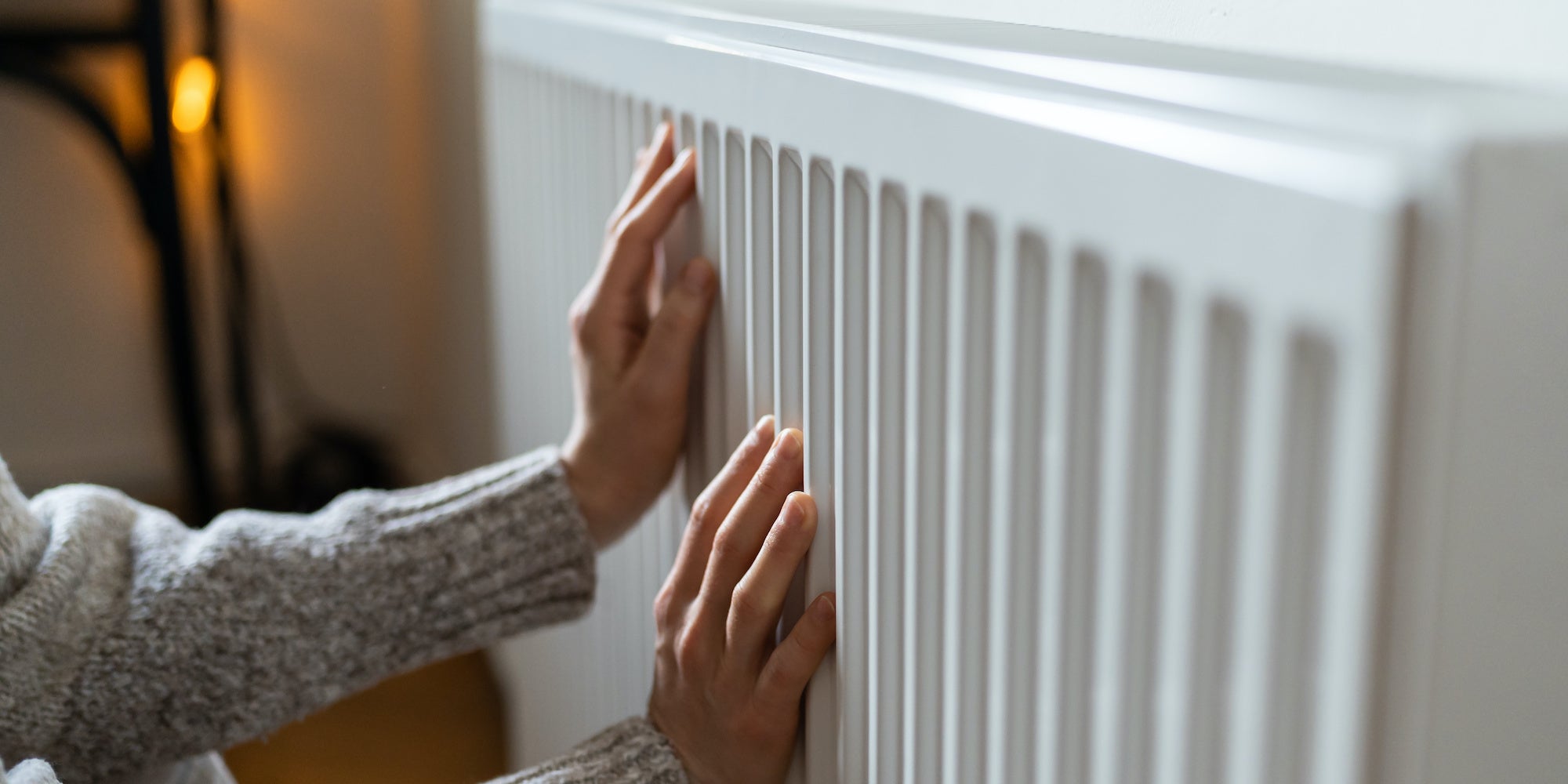
A radiator that is cooler at the top may contain trapped air, but uneven heating can have other causes. Rooms warming at different rates may point to poor system balance. Cold areas, restricted circulation or discoloured water may need investigation for contamination or another fault. These patterns are clues, not a complete diagnosis.
Bleed a radiator only when the symptoms justify it and follow the correct safety and pressure checks. The radiator bleeding guide explains that task and when to stop. If radiators warm at noticeably different speeds, the radiator balancing guide helps distinguish flow distribution from trapped air or contamination.
Do not add inhibitor or other system chemicals simply because a year has passed. Water treatment, pressure, balancing, flushing and repairs should follow the heat-source and system manufacturer’s guidance, with competent diagnosis where the cause is uncertain.
Improve the room as well as the radiator
A radiator must replace the heat the room loses. Improving suitable insulation and reducing unwanted draughts can lower that demand, so the heating system has less heat to supply. Preserve necessary ventilation and use an appropriate assessment for the property rather than sealing openings indiscriminately.
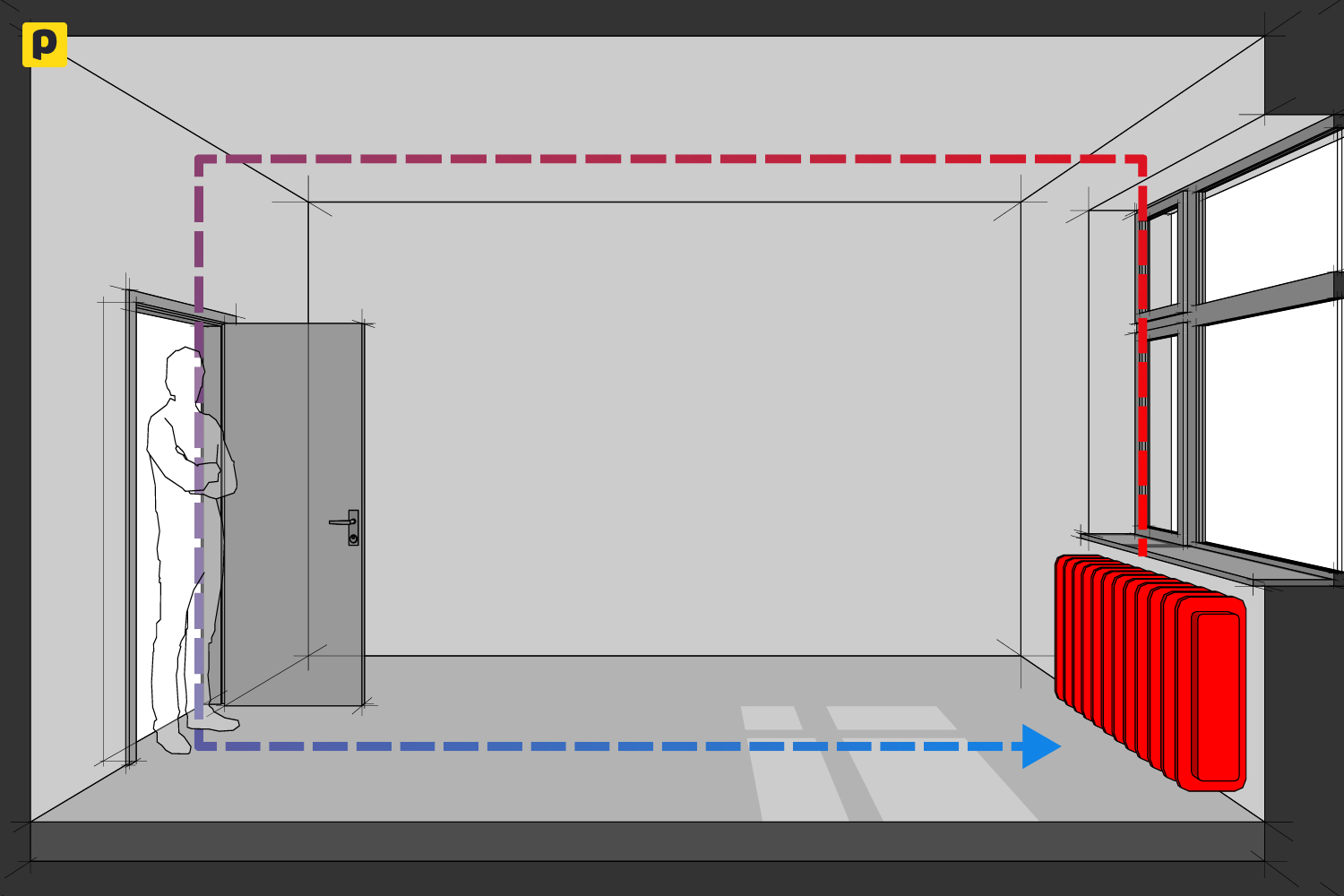
Heat also needs a clear route into the room. Curtains, large furniture and radiator covers can obstruct convection or radiation and change distribution. Keep the manufacturer’s clearances, allow useful airflow and make sure valves and controls remain accessible. Placement beneath a window can work well in some layouts, but it is not an efficiency rule for every room.
Building improvements and clearer airflow can help the room use the available heat more effectively. The outcome depends on the property and installation, so avoid relying on a fixed percentage or guaranteed bill reduction.
Choose the efficient shortlist
Before comparing finishes or price, check each candidate against the same practical list:
- the room’s calculated heat loss
- the required output in watts or BTU per hour
- the output rating basis and intended water temperatures for a wet radiator
- whether wet or electric heating suits the existing infrastructure
- the exact dimensions, projection and proposed position
- thermal response suited to the way the room is used
- compatible valves, controls and connections
- unobstructed airflow and service access
- the condition and balance of the wider system
- wall support, installation and competent-work requirements
When the technical options all meet those checks, style, colour and finish can decide the final choice. You can then explore the Heating collection with a clear room and system specification in hand.