
In this guide
Copper gives domestic pipework a useful combination of firm, orderly runs and enough formability for a wide range of layouts. It also works with several established fitting systems, so a competent installer can match the jointing method to the job. Those strengths explain why copper remains a common choice for hot water, cold water and heating pipework, but they do not make every copper installation automatically suitable or long-lasting.
Why copper suits water pipework
Copper is a rigid yet ductile metal. In practical terms, it holds its shape while still being workable, and it is available as part of established tube-and-fitting systems. That makes it useful where a project needs neat routes, dependable mechanical support and a choice of joint types.
The material is only one part of the decision. The tube, fittings and jointing system must all suit the intended service. The route, access and installation conditions matter too. Copper can be a strong choice for many domestic systems, but the right answer comes from matching the complete system to the job rather than choosing by material name alone.
Corrosion resistant does not mean corrosion-proof
Copper can develop surface films that slow further reaction when conditions are suitable. That helps explain its reputation for corrosion resistance, but it is not an invisible shield and it does not make the metal chemically inert.
Actual behaviour depends on the installation and the water passing through it. Relevant influences can include:
- water chemistry and temperature;
- flow velocity, turbulence and periods of stagnation;
- contamination, debris or residual flux;
- contact with other metals and local electrical conditions; and
- the design, workmanship and commissioning of the system.
For that reason, a green, brown or otherwise discoloured surface is not a reliable diagnosis by itself. If copper pipework shows pitting, repeated leaks, staining or unusually early deterioration, a competent investigation should consider the whole system and its operating conditions.
Durability belongs to the whole system
There is no single service-life promise that applies to every copper installation. Long service starts with a tube and fitting specification that suits the application, followed by compatible joints, sensible routing and good support. Allowance for movement, clean workmanship, effective flushing and correct commissioning all contribute to the result.
A useful way to assess durability is to separate the main influences:
- Specification: the tube, fittings and jointing system are suitable for the service.
- Design: the route, supports, movement allowance and flow conditions are considered as one system.
- Installation: preparation, alignment and jointing follow the relevant manufacturer instructions.
- Operation: water conditions, temperature, pressure and usage remain within the system's intended limits.
A weakness in any one of these areas can undermine a good material choice. Equally, replacing one failed part without identifying a wider cause may leave the original problem unresolved.
Match copper to the application
Start with the service the pipework must provide. Hot water, cold water and heating circuits can place different demands on tube, fittings and joints. The pipe size and route, expected pressure and temperature, local water conditions, access for installation and future maintenance should all be understood before products are selected.
Where the pipe carries water for drinking or food preparation, check that the complete system has the appropriate current approval for that use. For every application, use current manufacturer information to confirm tube and fitting compatibility, jointing requirements and operating limits. The installation must also follow the relevant UK requirements for the property and project.
If you are narrowing a fitting family, Choosing the Best Copper Pipe Fittings for Your Project provides a focused comparison of the main jointing options.
Choose a compatible jointing system
Copper tube can be joined in several ways. The best option is the one that is approved for the intended system and practical for the access, tools and competence available.
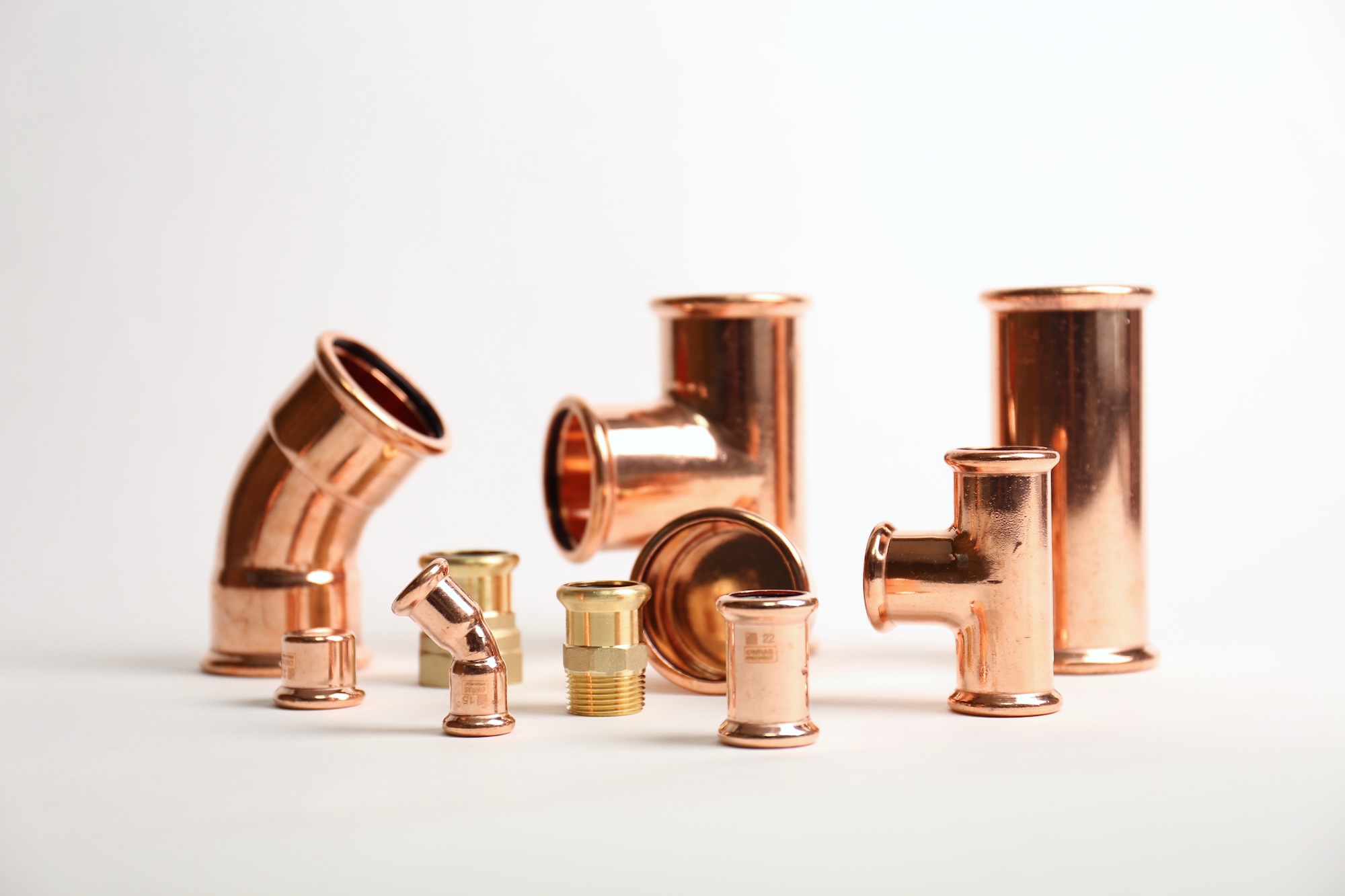
- End feed fittings use a capillary soldered joint and therefore involve heat, suitable preparation and hot-work precautions.
- Solder ring fittings are another soldered option, with the solder incorporated into the fitting. They still require a compatible system and competent hot work.
- Compression fittings use matched mechanical components and can suit some accessible connections where the manufacturer permits them.
- Copper press fittings use a specified press profile, compatible tool and jaws, and the preparation required by the system manufacturer.
These are selection distinctions, not instructions for making a joint. Tooling, access, fire risk, system approval and the installer's experience can all change which method is sensible. For a closer decision between two common approaches, see Copper Press vs. Soldering.
Workmanship and commissioning matter
A well-chosen system still depends on careful installation. Accurate preparation and alignment help fittings work as intended, while suitable supports and movement allowance protect the pipework after it is in service. Cleanliness matters because burrs, debris or residual flux can contribute to poor flow conditions or local deterioration.
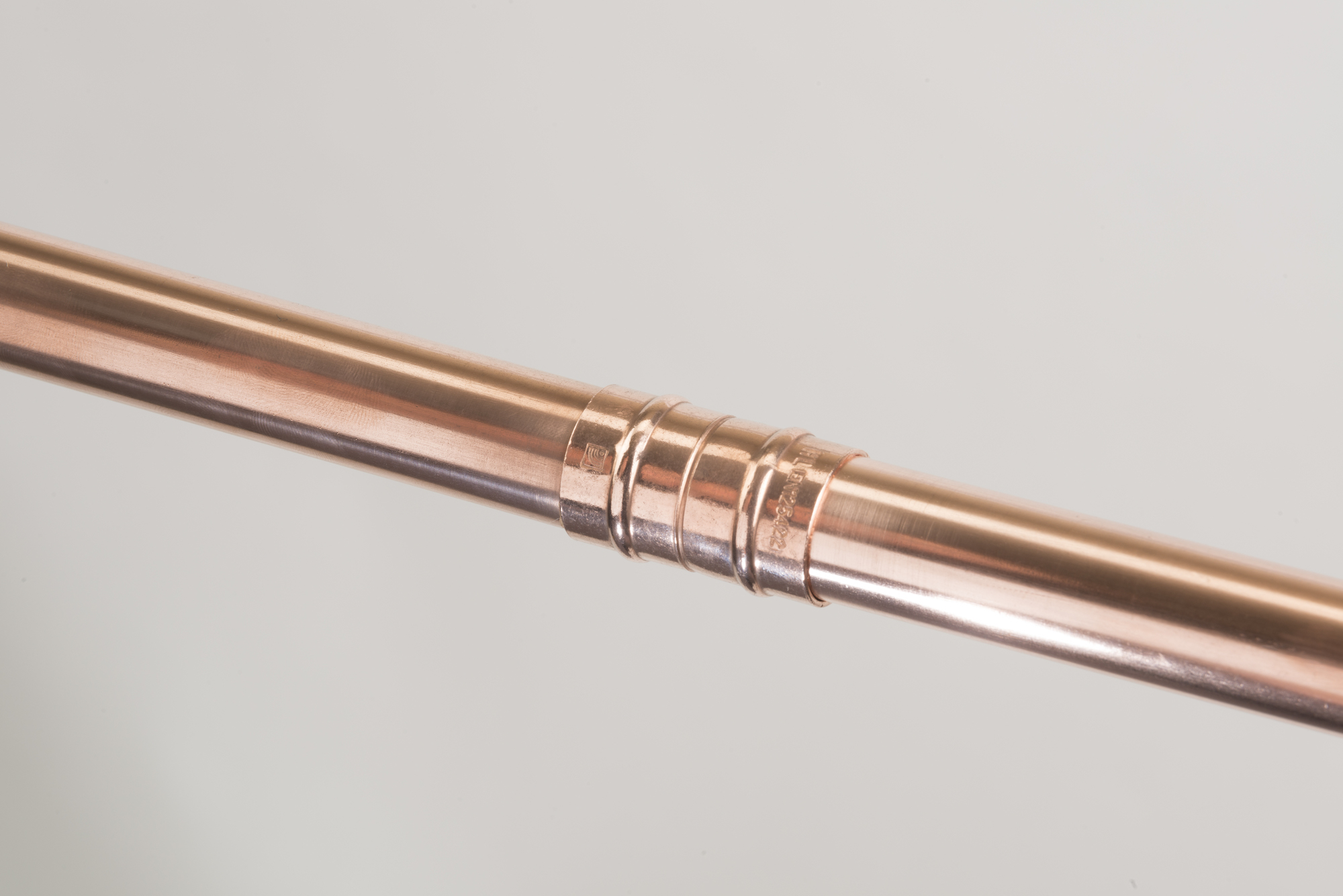
The finished joint shown here illustrates one connection type, not proof that a joint is sound. Reliability cannot be confirmed from appearance alone. The installer must use compatible materials, follow the system manufacturer's process and commission the completed pipework correctly.
Mixed materials need particular attention. Where copper connects to another metal or a different pipe system, the connection method and system arrangement must be suitable for both. A competent installer can also assess whether the route, flow conditions or surrounding materials introduce risks that are not obvious from the individual fitting.
Compare copper with alternatives fairly
Plastic, multilayer and stainless systems can also be appropriate for domestic pipework. There is no universal winner. Compare each option against the same job requirements: intended service, pressure and temperature limits, routing, supports, access, exposure and fire conditions, connection compatibility and installer capability. Where an oxygen barrier is relevant to the system, that needs to be checked as part of the product specification too.
The right choice may differ between a visible alteration, a long concealed route and a complete new system. Copper vs Plastic Pipes explores that comparison in more detail without treating either material as the automatic answer.
Look at the total installed cost
Copper is not always the cheapest material, and a higher or lower purchase price does not settle the value question. Compare the total cost of the actual job, including tube and fittings, labour, tooling, access, supports, commissioning and any likely future alteration or maintenance.
A jointing system that is efficient in one project may be awkward in another. Restricted access, hot-work controls, specialist press tooling or the need to integrate with existing pipework can all affect the installed cost. The useful comparison is therefore between complete, compatible proposals for the same service, not between isolated fitting prices.
Make the next decision with the system in mind
Before choosing copper pipework or fittings, confirm:
- what the pipework will carry and the conditions it must handle;
- which tube, fittings and jointing method form a compatible system;
- whether access, routing, supports and future maintenance have been allowed for;
- which approvals and current requirements apply; and
- who will specify, install and commission the work.
If the cause of existing damage is uncertain, arrange a competent assessment before replacing parts. For a new or altered system, compare current manufacturer information with the project requirements and use a competent installer for the final selection.
When those checks point to copper, browse the Copper Pipe Fittings range to compare compatible fitting families for the next stage of your project.